
How to Choose the Right Keynote Speaker for Your Next Event

The right keynote speaker should fit the strategic purpose of the meeting, understand the audience and strengthen the

The right keynote speaker should fit the strategic purpose of the meeting, understand the audience and strengthen the larger story you are trying to tell.

The best speaker choice begins with the event, not with the speaker. Planners who define the desired outcome, understand the audience and clarify the role of the keynote can evaluate candidates much more effectively than planners who start with names and demo reels. 

Choosing a keynote speaker is one of the highest visibility decisions an event team makes, and it is often made with the least structure. A shortlist gets built from recommendations, a few demo videos and a fee range. The better approach treats speaker selection like any other strategic purchase: define requirements, test candidates against them and confirm the choice supports the meeting objective. Following a clear process for how to choose a keynote speaker removes much of the guesswork.

The sections below walk through that process step by step, from defining the outcome and audience to evaluating expertise, customization, program fit and the real value of celebrity.

Define the Strategic Outcome First 

Ask what you want the audience to understand, believe or do differently after the keynote. That answer should become the speaker brief. A clear outcome also gives you a way to evaluate whether a topic is truly relevant. 

A strong outcome statement is specific enough to rule speakers out. Compare “inspire our members” with “help regional managers commit to one process change that improves customer retention this year.” The second version tells you which topics matter and which do not. Ask the planning committee to agree on that statement before anyone mentions a name, because once a favorite candidate appears the outcome tends to bend around them.

Turn the outcome into a one page speaker brief that includes the audience profile, the business context, the event theme and two or three results you hope to see. Send the same brief to every candidate. Their responses become your first comparison point, and the brief later serves as the standard for judging whether the keynote delivered.

Understand Exactly Who Is in the Audience 

A room of chief executives needs a different presentation from a room of frontline employees, clinicians or association members. The speaker should understand the audience level, industry fluency and current concerns. 

Audience understanding goes deeper than job titles. Two rooms of hospital administrators can differ sharply depending on whether their systems are growing, merging or cutting costs. A speaker who asks about those conditions will pitch the content correctly. Consider what your audience is worried about right now, what they already know well and what they are tired of hearing at conferences.

Gather a short audience profile before the first speaker call: role mix, seniority, industry segment, recent changes in the organization and results from last year’s event survey. Share it with finalists and ask each one how the profile would change their talk. Answers that reference specific details show genuine preparation rather than a standard pitch.

Decide What Role the Speaker Needs to Play

Some events need an opening keynote that creates urgency. Others need a closing speaker who turns ideas into action. A board retreat may need a strategic provocateur. Define the job before choosing the person. 

Role clarity changes the shortlist. A speaker who excels at opening a conference with urgency may not be the best person to close one with reflection, and a provocateur for a board retreat needs a very different style than a crowd energizer for a sales kickoff. Ask which moment in the agenda the keynote must own and what the audience should feel when that moment ends.

Write the role into your speaker brief in one line, such as opener, closer, strategic provocateur or workshop anchor. During interviews, ask candidates to describe a recent engagement where they played that exact role and what changed for the client afterward. Speakers who can answer concretely have done the job before.

Look for Relevant Expertise 

Expertise should be connected to the challenge the audience is facing. That does not always mean a speaker from the same industry, but it does mean the person can translate experience and research into the audience context. 

Translation is the skill to look for. A professional keynote speaker from outside your industry can still be the right choice if they understand the underlying problem, whether that is adoption of new technology, workforce strain or customer expectations, and can show how lessons from elsewhere apply here. Ask how the candidate would adapt their core material to your sector’s vocabulary and constraints.

Review the candidate’s books, articles and recent talks for evidence of original thinking on your audience’s challenge. Then ask for one example of how that thinking was applied to an organization similar to yours. Real expertise produces concrete answers, while thin expertise tends to fall back on general inspiration and familiar anecdotes.

Evaluate Customization 

Ask how the speaker prepares. Strong professionals will want to know about the organization, event theme, audience and desired outcomes. Customization should affect examples, emphasis and framing, not just the opening slide. 

Real customization takes time and curiosity. A speaker preparing well might interview two or three of your leaders, review recent strategy documents and adjust case examples so the audience recognizes its own world. Weak customization swaps a logo onto the title slide and adds the company name twice. Ask candidates to walk you through their preparation steps and timeline from booking to stage.

Schedule a preparation call four to six weeks before the event and request a short outline afterward showing how the content has been tailored. Check the outline for audience specific examples and language from your brief. If nothing in it could only have been written for your event, raise the concern while there is still time to adjust.

Consider the Entire Program 

A keynote should fit with the other sessions rather than compete with them. Look at the sequence of the event and decide what the audience needs from the keynote to make the larger curriculum stronger. 

Program fit is easiest to see on a timeline. Lay out every session in order and ask what each one assumes the audience already understands. The keynote should supply that foundation or tie the threads together, not repeat what a breakout will cover in more depth. A speaker who studies the agenda and suggests connections is usually thinking about the whole event.

Share the draft agenda with your finalists and ask each to identify where their talk could support other sessions. Note who engages with that request seriously. After the event, compare attendee ratings across sessions to see whether the keynote raised the perceived value of the program or stood apart from it.

Do Not Choose Based on Celebrity Alone

Recognition can create excitement, but fame is not the same as relevance. The better question is whether the speaker can deliver a useful experience for this audience at this event. Strategic fit should come before name recognition. 

A recognizable name can sell registrations, yet attendees judge the event on what they take home. Imagine an audience of operations leaders hearing a famous athlete tell stories they have seen on television: entertaining for an hour, forgotten by Friday. The sharper question is whether the speaker’s message advances your event outcome or simply decorates the agenda.

If a celebrity is under consideration, test them with the same scorecard used for every other candidate: relevance, customization, original content and fit with the event strategy. Weight strategic fit most heavily. Where a well known name scores low on substance, consider pairing that appearance with a content focused keynote that carries the actual learning objective.

Final Thought 

Choosing the right keynote speaker comes down to discipline. Define the outcome, know the audience, decide the role and then test every candidate, famous or not, against those requirements. Planners who follow that sequence spend less time second guessing and more time building a program where the keynote does real work, connecting the event strategy to what people do after they leave the room.

About Nicholas J. Webb 

Nicholas J. Webb is an innovation, healthcare and future trends keynote speaker who works with organizations to improve innovation, human experience, leadership and future readiness.

Frequently Asked Questions

How do I start the keynote speaker selection process?

Start with the event, not the speaker. Write down the outcome you want, describe the audience in detail and decide whether you need an opening, closing or strategic keynote. Turn that into a one page brief, then build a shortlist of speakers whose expertise matches it. This makes choosing a keynote speaker a structured decision rather than a guess.

Only if the celebrity also fits the strategic purpose of the meeting. Fame can lift attendance and energy, but it does not guarantee relevant content. Evaluate a famous name with the same criteria as any professional keynote speaker, including audience understanding and customization. If substance is missing, the excitement rarely survives past the event.

Provide the event objective, audience profile, agenda, theme, recent organizational news and any sensitive topics to avoid. Include results from past events and introductions to one or two leaders the speaker can interview. The more context a keynote speaker has, the more specific and useful the customization will be on the day.
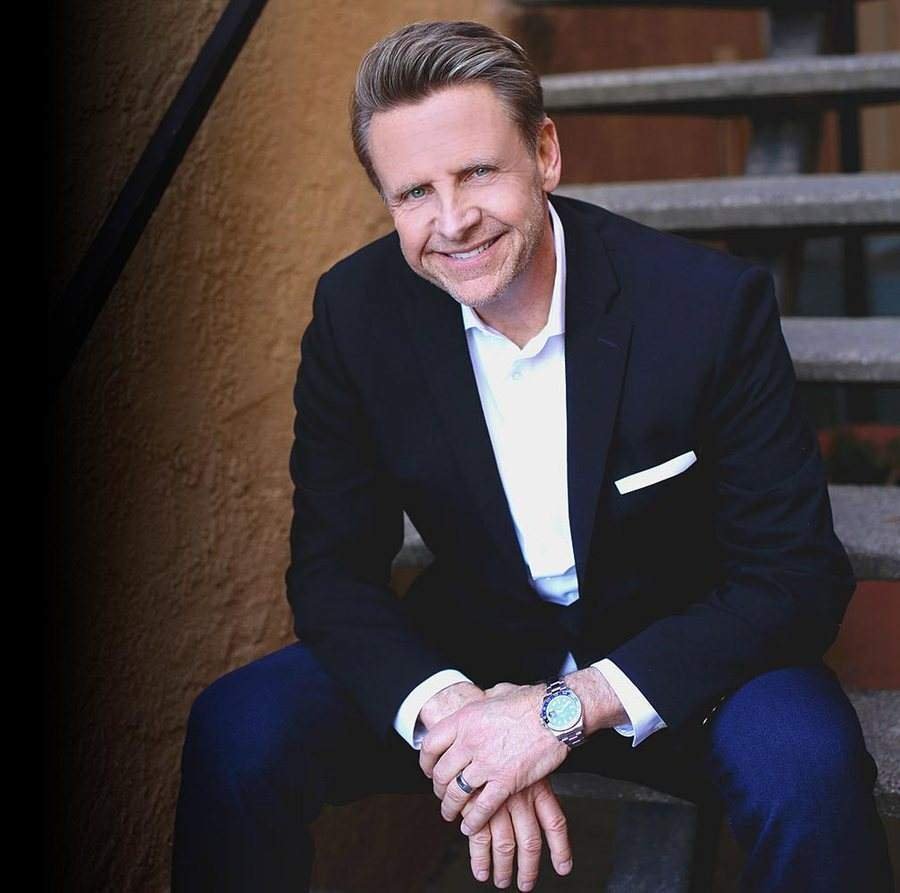
Nick Webb

About Nick Webb

Nick Webb is a healthcare futurist, multiple time bestselling author, and one of the most in demand keynote speakers on innovation, AI, and the future of patient and employee experience. He helps boards and leadership teams turn fast moving technology into practical advantage. Nick.

Bring this conversation to your stage

Nick delivers keynotes that leave leaders with a clear plan, not just a sense of urgency. Check his availability for your next event.

Book Nick

The right keynote speaker should fit the strategic purpose of the meeting, understand the audience and strengthen the larger story you are trying to tell.

The best speaker choice begins with the event, not with the speaker. Planners who define the desired outcome, understand the audience and clarify the role of the keynote can evaluate candidates much more effectively than planners who start with names and demo reels. 

Choosing a keynote speaker is one of the highest visibility decisions an event team makes, and it is often made with the least structure. A shortlist gets built from recommendations, a few demo videos and a fee range. The better approach treats speaker selection like any other strategic purchase: define requirements, test candidates against them and confirm the choice supports the meeting objective. Following a clear process for how to choose a keynote speaker removes much of the guesswork.

The sections below walk through that process step by step, from defining the outcome and audience to evaluating expertise, customization, program fit and the real value of celebrity.

Define the Strategic Outcome First 

Ask what you want the audience to understand, believe or do differently after the keynote. That answer should become the speaker brief. A clear outcome also gives you a way to evaluate whether a topic is truly relevant. 

A strong outcome statement is specific enough to rule speakers out. Compare “inspire our members” with “help regional managers commit to one process change that improves customer retention this year.” The second version tells you which topics matter and which do not. Ask the planning committee to agree on that statement before anyone mentions a name, because once a favorite candidate appears the outcome tends to bend around them.

Turn the outcome into a one page speaker brief that includes the audience profile, the business context, the event theme and two or three results you hope to see. Send the same brief to every candidate. Their responses become your first comparison point, and the brief later serves as the standard for judging whether the keynote delivered.

Understand Exactly Who Is in the Audience 

A room of chief executives needs a different presentation from a room of frontline employees, clinicians or association members. The speaker should understand the audience level, industry fluency and current concerns. 

Audience understanding goes deeper than job titles. Two rooms of hospital administrators can differ sharply depending on whether their systems are growing, merging or cutting costs. A speaker who asks about those conditions will pitch the content correctly. Consider what your audience is worried about right now, what they already know well and what they are tired of hearing at conferences.

Gather a short audience profile before the first speaker call: role mix, seniority, industry segment, recent changes in the organization and results from last year’s event survey. Share it with finalists and ask each one how the profile would change their talk. Answers that reference specific details show genuine preparation rather than a standard pitch.

Decide What Role the Speaker Needs to Play

Some events need an opening keynote that creates urgency. Others need a closing speaker who turns ideas into action. A board retreat may need a strategic provocateur. Define the job before choosing the person. 

Role clarity changes the shortlist. A speaker who excels at opening a conference with urgency may not be the best person to close one with reflection, and a provocateur for a board retreat needs a very different style than a crowd energizer for a sales kickoff. Ask which moment in the agenda the keynote must own and what the audience should feel when that moment ends.

Write the role into your speaker brief in one line, such as opener, closer, strategic provocateur or workshop anchor. During interviews, ask candidates to describe a recent engagement where they played that exact role and what changed for the client afterward. Speakers who can answer concretely have done the job before.

Look for Relevant Expertise 

Expertise should be connected to the challenge the audience is facing. That does not always mean a speaker from the same industry, but it does mean the person can translate experience and research into the audience context. 

Translation is the skill to look for. A professional keynote speaker from outside your industry can still be the right choice if they understand the underlying problem, whether that is adoption of new technology, workforce strain or customer expectations, and can show how lessons from elsewhere apply here. Ask how the candidate would adapt their core material to your sector’s vocabulary and constraints.

Review the candidate’s books, articles and recent talks for evidence of original thinking on your audience’s challenge. Then ask for one example of how that thinking was applied to an organization similar to yours. Real expertise produces concrete answers, while thin expertise tends to fall back on general inspiration and familiar anecdotes.

Evaluate Customization 

Ask how the speaker prepares. Strong professionals will want to know about the organization, event theme, audience and desired outcomes. Customization should affect examples, emphasis and framing, not just the opening slide. 

Real customization takes time and curiosity. A speaker preparing well might interview two or three of your leaders, review recent strategy documents and adjust case examples so the audience recognizes its own world. Weak customization swaps a logo onto the title slide and adds the company name twice. Ask candidates to walk you through their preparation steps and timeline from booking to stage.

Schedule a preparation call four to six weeks before the event and request a short outline afterward showing how the content has been tailored. Check the outline for audience specific examples and language from your brief. If nothing in it could only have been written for your event, raise the concern while there is still time to adjust.

Consider the Entire Program 

A keynote should fit with the other sessions rather than compete with them. Look at the sequence of the event and decide what the audience needs from the keynote to make the larger curriculum stronger. 

Program fit is easiest to see on a timeline. Lay out every session in order and ask what each one assumes the audience already understands. The keynote should supply that foundation or tie the threads together, not repeat what a breakout will cover in more depth. A speaker who studies the agenda and suggests connections is usually thinking about the whole event.

Share the draft agenda with your finalists and ask each to identify where their talk could support other sessions. Note who engages with that request seriously. After the event, compare attendee ratings across sessions to see whether the keynote raised the perceived value of the program or stood apart from it.

Do Not Choose Based on Celebrity Alone

Recognition can create excitement, but fame is not the same as relevance. The better question is whether the speaker can deliver a useful experience for this audience at this event. Strategic fit should come before name recognition. 

A recognizable name can sell registrations, yet attendees judge the event on what they take home. Imagine an audience of operations leaders hearing a famous athlete tell stories they have seen on television: entertaining for an hour, forgotten by Friday. The sharper question is whether the speaker’s message advances your event outcome or simply decorates the agenda.

If a celebrity is under consideration, test them with the same scorecard used for every other candidate: relevance, customization, original content and fit with the event strategy. Weight strategic fit most heavily. Where a well known name scores low on substance, consider pairing that appearance with a content focused keynote that carries the actual learning objective.

Final Thought 

Choosing the right keynote speaker comes down to discipline. Define the outcome, know the audience, decide the role and then test every candidate, famous or not, against those requirements. Planners who follow that sequence spend less time second guessing and more time building a program where the keynote does real work, connecting the event strategy to what people do after they leave the room.

About Nicholas J. Webb 

Nicholas J. Webb is an innovation, healthcare and future trends keynote speaker who works with organizations to improve innovation, human experience, leadership and future readiness.

Frequently Asked Questions

How do I start the keynote speaker selection process?

Start with the event, not the speaker. Write down the outcome you want, describe the audience in detail and decide whether you need an opening, closing or strategic keynote. Turn that into a one page brief, then build a shortlist of speakers whose expertise matches it. This makes choosing a keynote speaker a structured decision rather than a guess.

Only if the celebrity also fits the strategic purpose of the meeting. Fame can lift attendance and energy, but it does not guarantee relevant content. Evaluate a famous name with the same criteria as any professional keynote speaker, including audience understanding and customization. If substance is missing, the excitement rarely survives past the event.

Provide the event objective, audience profile, agenda, theme, recent organizational news and any sensitive topics to avoid. Include results from past events and introductions to one or two leaders the speaker can interview. The more context a keynote speaker has, the more specific and useful the customization will be on the day.