

Innovation may be the most crowded topic in the speaking business. Nearly every speaker claims it, and the word has been stretched to cover everything from new software to a positive attitude. That makes the choice harder than it looks.
Most organizations do not book an innovation keynote to be entertained. They book it because growth has stalled, a competitor has moved faster, or leadership wants the organization to think and act differently. The right speaker helps the audience see what is coming and gives them a way to respond. The wrong one delivers an exciting hour that changes nothing.
What an innovation keynote should leave behind
Clarity
A clear view of the forces reshaping your industry and what they mean for your organization.
Capability
A practical method your teams can use to find, test, and scale new ideas.
Commitment
An audience that leaves ready to act, not simply impressed.
The five tests below will show you which finalist can deliver all three.
Choose a practitioner, not a trend reporter
Anyone can read the research and summarize the latest trends. Far fewer speaker have taken an idea from concept to market, with the setbacks, funding pressure, and hard decisions that come with it. That experience is what gives an innovation message its weight.
Look for evidence of real innovation work: products launched, patents awarded, companies built, and innovation programs led inside established organizations. A practitioner can tell your audience why most new ideas fail and what the survivors did differently. A trend reporter can only tell them what is new.
Ask the speaker
What have you invented, launched, or commercialized yourself?
Tell me about an innovation effort that failed and what you learned from it.
Warning sign
Every example in the talk comes from the same handful of famous companies everyone has already heard about.
Look for a method, not a pep talk
Innovation is not a bumper sticker. Inspiration fades within days when the audience has nothing to do with it. The strongest innovation speakers give people a clear, repeatable way to work: how to spot opportunities, how to test ideas quickly and cheaply, and how to decide what to scale and what to stop.
Ask each finalist to explain the method behind their keynote in two minutes. If it holds up to a few follow up questions and your leaders can picture using it the next week, you have found real substance. If the answer drifts back to stories and slogans, the session will too.
Ask the speaker
What framework or tools will our people be able to use after your session?
How have other organizations put your method into practice?
Warning sign
A talk built around words like disruption and agility, with no explanation of how to act on them.
Match the speaker to your strategy
Innovation means different things to different organizations. A company defending its core business needs a different message than one trying to create a new market. A board retreat calls for a different depth than an all hands meeting of frontline staff.
Before you search, agree with your leadership team on what the keynote needs to accomplish. Are you trying to open minds to change, accelerate an initiative already underway, or build an innovation culture across the workforce? Share that answer with every finalist and ask how their talk supports it. The best speakers will ask for a briefing with your executives so the message reinforces your strategy rather than competing with it.
Ask the speaker
How will you make sure your message supports the direction our leadership has already set?
Warning sign
A promise that the same keynote works equally well for every organization and every audience.
Require relevance to your industry
Innovation principles travel well across industries. Examples do not. An audience of bankers, engineers, or association executives wants to see how change is playing out in their world, with their regulations, their customers, and their economics.
Ask for examples of keynotes the speaker has delivered in your industry or a closely related one. Ask how they will research your market before the event, and whether they will build in your own challenges, data, or success stories. A speaker who does that homework earns credibility in the first few minutes and keeps it for the rest of the session.
Ask the speaker
What will you do to learn our industry and our organization before the event?
Which organizations in our sector have you worked with recently?
Warning sign
Customization that stops at adding your logo and event name to the slides.
Plan for what happens after the applause
A keynote is a moment. Innovation is a practice. The most valuable speakers think about what your organization will do in the weeks after the event, not only what happens on stage.
Ask what support is available beyond the keynote: a working session with your leadership team, a workshop for innovation champions, tools attendees can keep using, or a follow up session a few months later. Even without added services, a speaker who closes with clear next steps and a simple way to measure progress gives your organization a far better return.
Ask the speaker
What will our leaders have in hand after the event to keep momentum going?
Warning sign
Once the session ends, there is nothing left for your teams to use.
Comparing your finalists
Score each finalist from 1 to 5 on every consideration, multiply by the weight, and add the results. A shared scorecard keeps the committee's decision grounded in evidence rather than whichever video someone watched last.
| Consideration | What strong looks like | Weight |
|---|---|---|
| Practitioner experience | Innovation work you can verify: products, patents, companies, programs | 25% |
| Usable method | A clear, repeatable approach your teams can apply after the event | 25% |
| Strategic fit | Reinforces the direction your leadership has already set | 20% |
| Industry relevance | Examples and research drawn from your market | 15% |
| Lasting impact | Next steps, tools, or follow up that keep the work moving | 15% |
One rule outweighs the math. A finalist who cannot explain a usable method should not advance, however energizing the presentation.
The real measure of the right choice
Six months after your event, the right innovation keynote should still be visible in how your people talk, the questions they ask, and the ideas they bring forward. Hold every finalist to that standard, and the decision becomes much clearer.
Book the speaker whose ideas will still be at work six months after the event.
Questions planners ask
What is the difference between an innovation speaker and a futurist?
A futurist focuses on where industries and technology are heading. An innovation speaker focuses on how organizations create and deliver new value. The strongest keynotes combine both: a credible view of what is coming and a practical method for responding to it.
How long should an innovation keynote be?
Most innovation keynotes run 45 to 60 minutes. If you want attendees to practice a method rather than only hear about it, consider pairing the keynote with a 90 minute or half day workshop for a smaller group.
Should we interview an innovation speaker before booking?
Yes. A short live video call with the speaker, not only the agent, shows you how they think, how well they listen, and whether they can explain complex ideas simply. It is the best preview of what your audience will experience.
Can an innovation keynote work for a nontechnical audience?
Yes. Innovation is a way of working, not a technology. The right speaker will use examples and language that fit your audience, whether they are engineers, sales teams, association members, or frontline staff.
About the author
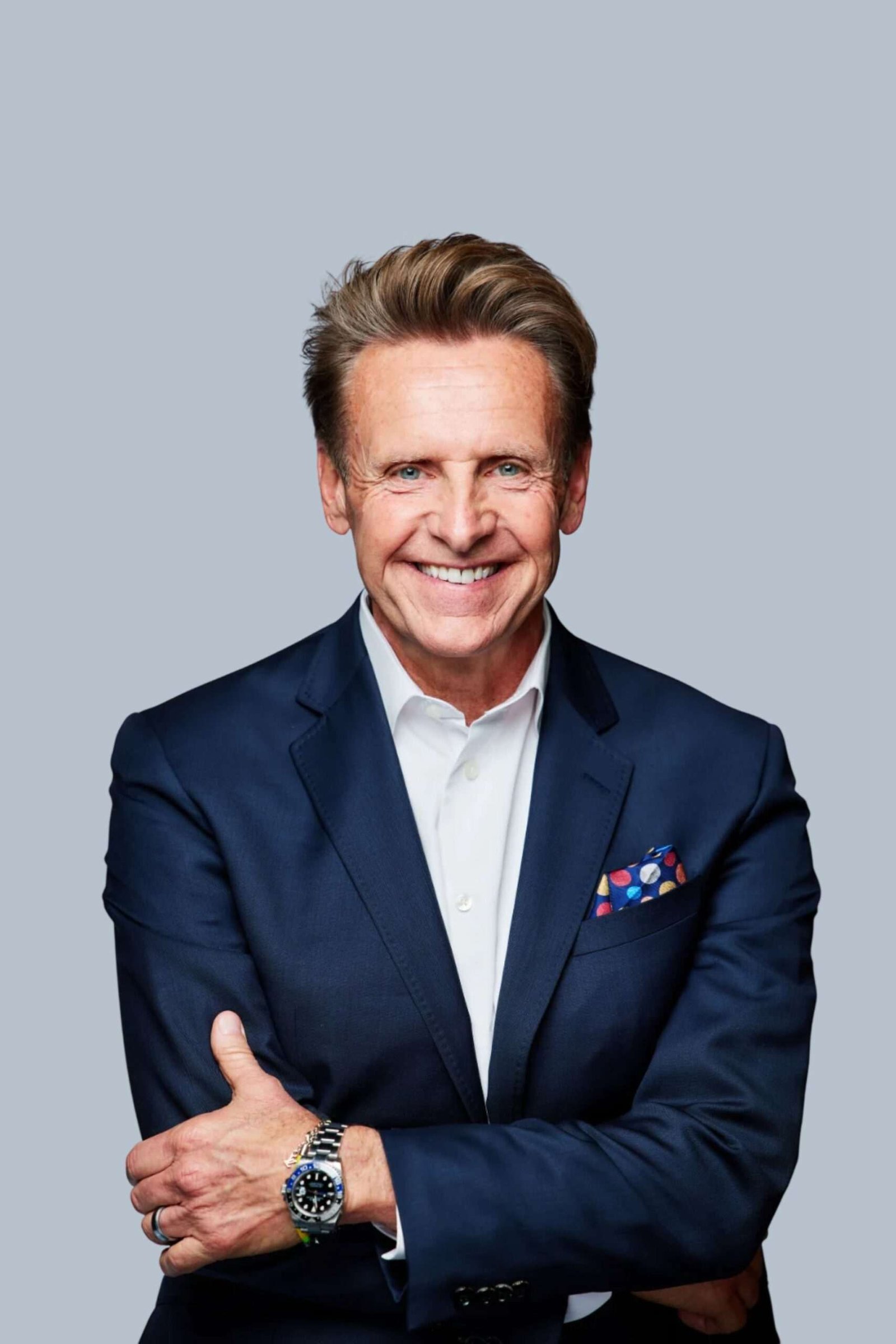
Nicholas J. Webb is a healthcare and innovation futurist, inventor, and bestselling author. His healthcare career began more than 40 years ago as a medical technologist, and he has since been awarded more than 40 patents, most of them licensed to manufacturers. He has served as a chief innovation officer and as an adjunct professor at a medical school, co-produced the award winning documentary The Healthcare Cure, and written bestselling books including Human Experience, What Customers Crave, and What Customers Hate. He has been named to the Global Gurus Top 30 list of customer service experts nine years in a row.
Planning an innovation keynote?
Share your date, audience, and what you want the keynote to accomplish. Nick's team will confirm availability and schedule a live conversation.