

The healthcare speaking market has changed. Almost anyone who has given a presentation can now add "keynote speaker" to a profile. Speaking at one conference does not make someone a professional speaker, and being a professional speaker does not make someone a healthcare expert.
That gap is where most disappointing keynotes come from. Your audience expects more than an interesting hour. They want credible insight, practical answers, and an experience that helps them handle the pressure they carry every day: staffing shortages, reimbursement, consolidation, and technology that moves faster than most organizations can absorb.
What the right speaker delivers
Audience value
Insight your attendees trust and can put to work the following week.
Economic value
Ideas tied to organizational performance, so the session pays back its cost.
Experiential value
An hour people enjoy, remember, and still talk about after they leave the room.
The five considerations below test for all three.
Hire an expert who speaks, not a speaker who plays an expert
Your audience deserves someone with real world experience, not someone who has become skilled at presenting other people's research. The test is simple: has this person done the work they talk about?
A speaker on healthcare innovation should have developed or commercialized technology, or built an enterprise innovation program. A speaker on artificial intelligence should understand what it takes to deploy it inside a health system, including the workflow, governance, and clinician trust problems that stall most projects. Look for documented results, substantive publications, patents, advisory relationships with established healthcare organizations, and case studies with names attached.
Clinicians and executives can tell the difference between someone who understands a subject and someone who has learned to talk about it. Usually they can tell within ten minutes.
Ask the speaker
What have you personally built, led, or implemented in healthcare?
Which organization could I contact to confirm that work?
Warning sign
A biography full of labels like visionary and thought leader, with little you can verify.
Demand insights that create enterprise value
Healthcare organizations operate under enormous economic and operational pressure, and your attendees bring that pressure into the room. Whether the topic is patient experience, workforce engagement, emerging technology, or innovation, the session should connect ideas to outcomes the organization already measures: operating performance, patient loyalty, staff retention, and growth.
Before you contact a single speaker, write down the three things you want attendees to do differently after the session. Share them with every finalist and ask how their content gets there. The point is not to give your audience something interesting to think about. It is to give them something valuable to do.
Ask the speaker
What will attendees be able to do the Monday after your session that they could not do before?
How have past clients measured the impact of your keynote?
Warning sign
Answers that stay at the level of inspiration and never reach an operational example.
Insist on a speaker who can hold a healthcare audience
Expertise alone does not make a great keynote. Many expert presentations feel like a university lecture: accurate, dense, and forgotten by lunch. Healthcare professionals spend their working lives managing complex information and heavy responsibility. They deserve an hour that is intellectually valuable, energetic, and genuinely enjoyable.
Look for deep expertise combined with storytelling, humor, audience connection, and clear communication. Ask for complete, unedited recordings rather than a promotional reel, which shows the best ninety seconds of a career. Watch the opening, a stretch from the middle, and the close, and watch the audience as closely as the speaker. Your attendees should leave the room smarter and more energized than when they walked in.
Ask the speaker
Can you send a full recording from a healthcare event in the last eighteen months?
Warning sign
Only a highlight reel is available, or every full recording comes from outside healthcare.
Make sure the speaker understands your specific audience
Healthcare is not a single audience. A message that lands with hospital CEOs may miss practicing physicians, medical device executives, payers, or nonprofit health leaders. A session for physicians should respect clinical workflow and professional autonomy. A session for executives may need a sharper focus on enterprise strategy and financial sustainability.
Customization is not changing the title slide and mentioning your organization three times. It is applying real expertise to the specific needs of your people. Strong speakers will ask to interview a few of your leaders or members, review what your attendees are dealing with, and spend time with your planning committee before they build the talk.
Ask the speaker
How will you learn about our attendees before you build the presentation?
How did you change a recent keynote for a different healthcare audience?
Warning sign
The speaker describes the talk before asking a single question about your group.
Never hire without a live interview
You would not buy an expensive vehicle without a test drive. Schedule a live video conversation with the speaker, not only with the agent or bureau, and ask substantive questions about their experience, their content, and your event.
Pay attention to energy, authenticity, and how carefully they listen. Can they explain a complex idea clearly? Can you picture your audience enjoying an hour with this person? If a speaker cannot engage you in a thirty minute conversation, there is good reason to doubt they can engage a full ballroom.
Ask the speaker
What would you want to know about our audience before agreeing to this event?
Warning sign
No time for a call before the contract, or a conversation that feels like a sales pitch.
Comparing your finalists
Score each finalist from 1 to 5 on every consideration, multiply by the weight, and add the results. A shared scorecard keeps the committee's decision grounded in evidence rather than whichever video someone watched last.
| Consideration | What strong looks like | Weight |
|---|---|---|
| Real expertise | Healthcare work you can verify: results, publications, patents, advisory roles | 25% |
| Enterprise value | A clear line from the content to the outcomes your organization measures | 25% |
| Audience engagement | A full recent recording that holds a healthcare room from start to finish | 20% |
| Audience understanding | A specific plan to learn about your attendees and shape the content to them | 15% |
| Live interview | Listens well, explains clearly, and leaves you wanting more time | 15% |
One rule outweighs the math. A finalist who scores below 3 on real expertise should not advance, however polished the presentation.
More than a line item in the budget
Meeting planners carry real responsibility. You are expected to deliver an event that satisfies attendees, advances the organization's goals, and justifies the budget someone entrusted to you. A major event can shape your professional reputation.
That is why the keynote decision deserves this much care. Look for authentic expertise, demand economic value, insist on exceptional engagement, verify meaningful customization, and always experience the speaker firsthand.
Don't just hire someone who can deliver a speech. Hire someone who can deliver an impact.
Questions planners ask
How far in advance should we book a healthcare keynote speaker?
For a major conference, start six to twelve months out. Spring and fall are the busiest seasons for healthcare meetings, and experienced speakers fill those dates first. Shorter timelines can work, so ask about availability early even if the agenda is not final.
What does a healthcare keynote speaker cost?
Fees vary with experience, demand, format, and travel. Nationally recognized healthcare speakers are commonly in the five figure range and above. Ask for a written quote that covers travel, customization, recording rights, and any book or virtual options so finalists can be compared fairly.
Does a healthcare keynote speaker need a clinical background?
A clinical license is not required, but deep industry experience is. The speaker should understand how care is delivered, paid for, and regulated, and should be credible with clinicians and executives in the same room.
Should a healthcare keynote focus on AI?
AI is on nearly every healthcare agenda. The strongest sessions connect technology to what attendees already care about: patient experience, workforce, cost, and safety. Ask each candidate what they have seen work in real deployments and what practical steps your audience will leave with.
What should we ask in a live interview with a keynote speaker?
Ask what the speaker has personally built or led in healthcare, how they will learn about your attendees, what attendees will be able to do after the session, and how past clients measured results. Notice whether they ask thoughtful questions about your event before describing their talk.
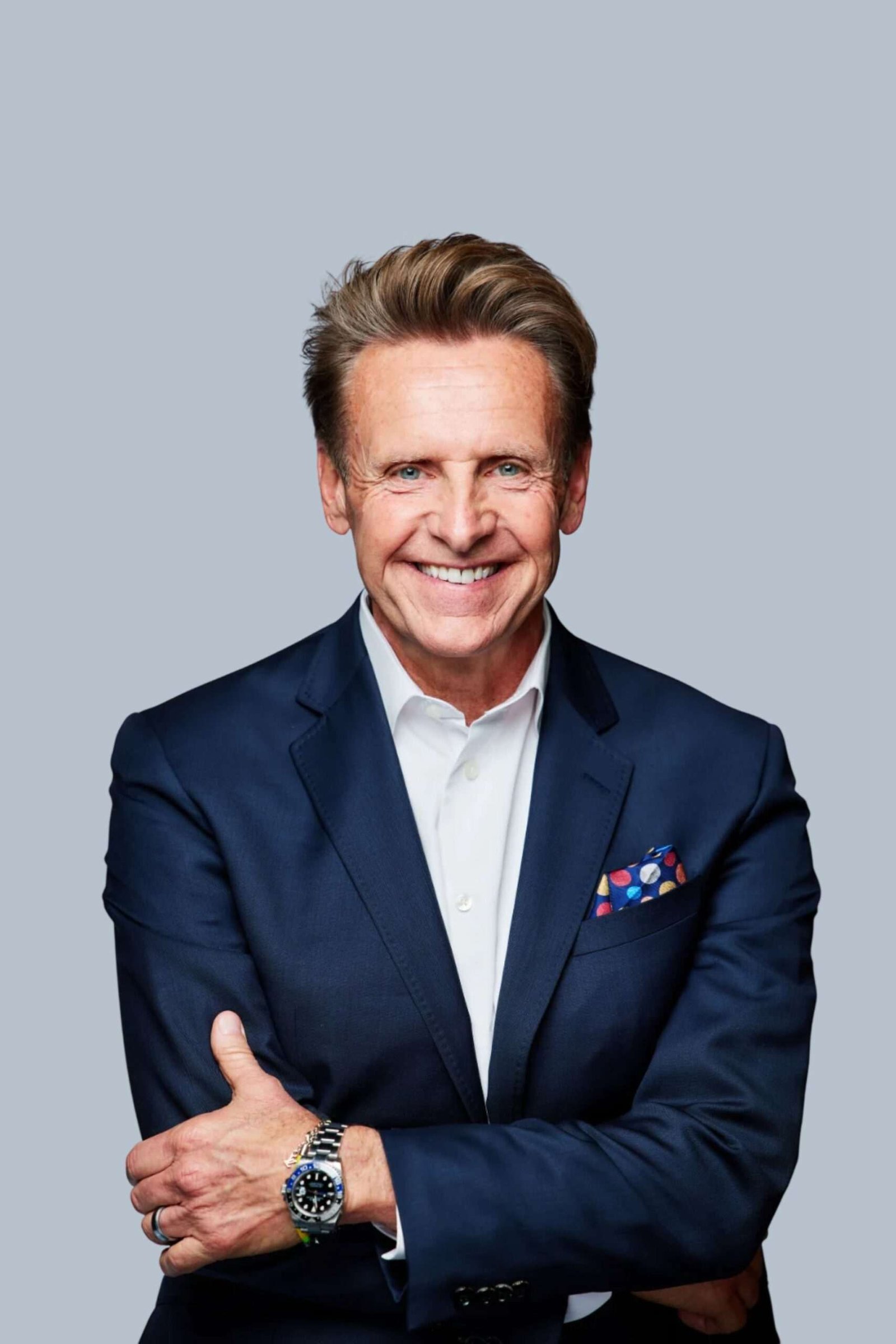
About the author
Nicholas J. Webb is a healthcare and innovation futurist, inventor, and bestselling author. His healthcare career began more than 40 years ago as a medical technologist, and he has since been awarded more than 40 patents, most of them licensed to manufacturers. He has served as a chief innovation officer and as an adjunct professor at a medical school, co-produced the award winning documentary The Healthcare Cure, and written bestselling books including Human Experience, What Customers Crave, and What Customers Hate. He has been named to the Global Gurus Top 30 list of customer service experts nine years in a row.
Planning a healthcare meeting?
Share your date, audience, and the outcome you want. Nick's team will confirm availability and schedule a live conversation.