

A speaker's website, video reel, and testimonials are all built to sell. The fastest way to see past them is a direct conversation, and the quality of that conversation depends on the questions you bring to it.
The seven questions below are designed for a live video call with the speaker, not only their agent or bureau. Each one tests something a promotional package cannot show you. Listen to the substance of each answer, and just as closely to how the speaker handles being asked.
How to use these questions
Before the call
Send the first three questions in advance so the speaker can prepare specific answers.
During the call
Ask the remaining four live, and notice how well the speaker listens.
After the call
Compare every finalist's answers side by side with your planning committee.
Two or three finalists is usually enough for a fair comparison.
What have you personally built, led, or implemented in healthcare?
This question separates experts who speak from speaker who present other people's work. Healthcare audiences spot the difference quickly, and credibility lost in the first few minutes is hard to win back.
A strong answer
Specific roles, products, programs, or results inside healthcare, with organizations you could contact to confirm them.
A weak answer
A general answer about years of speaking on healthcare topics, or research the speaker has read rather than done.
Who in our audience will this talk serve best, and who might it miss?
Healthcare is many audiences. Physicians, nurses, executives, suppliers, and payers each hear the same message differently. An honest speaker knows where their content is strongest and where it needs work.
A strong answer
A thoughtful answer about your specific mix of attendees, with ideas for reaching the groups the talk might otherwise miss.
A weak answer
The talk works for everyone.
What will attendees be able to do differently after your session?
Your organization is investing in more than an hour of content. This question moves the conversation from topics to outcomes and shows whether the speaker thinks about economic value.
A strong answer
Concrete actions tied to results your organization measures, such as patient experience, retention, efficiency, or growth.
A weak answer
Attendees will feel inspired and see the future differently.
How will you learn about our organization before you build the talk?
Real customization takes preparation. Changing the title slide is not the same as applying expertise to the problems your attendees face every day.
A strong answer
A clear process: calls with your leaders or members, a review of your materials or data, and time with your planning committee.
A weak answer
We will add your logo and reference your theme.
Can we see a complete recording from a recent healthcare event?
A promotional reel shows the best ninety seconds of a career. A full recording shows how the speaker holds a healthcare room from start to finish.
A strong answer
An unedited session from the last eighteen months, in front of an audience similar to yours.
A weak answer
Only a highlight reel is available, or every full recording comes from another industry.
Which planners can we speak with who booked you for a similar audience?
A ten minute call with another planner is the most reliable reference you can get. It tells you how the speaker prepares, collaborates, and performs when it counts.
A strong answer
Two or three contacts from comparable healthcare events, offered without hesitation.
A weak answer
Reluctance to share references, or references only from unrelated industries.
What is included, and what happens after the keynote?
Surprises in scope create problems late in the planning process. Clarity now protects your budget and your event.
A strong answer
A written summary covering session length, audience Q and A, travel, recording rights, books or resources, and any follow up support.
A weak answer
Vague answers that leave important details to be worked out later.
Listening between the lines
The answers matter, but so does the experience of asking. Notice whether the speaker asks good questions of their own, listens without rushing to sell, and explains complex ideas clearly.
If a speaker cannot engage you in a thirty minute conversation, there is good reason to doubt they can engage your full audience. If they leave you with new ideas about your own event before they have been hired, that is a strong sign of what your attendees will experience.
Ask better questions, and the right speaker becomes easy to recognize.
Questions planners ask
Should we ask these questions of the speaker or the agent?
Both can help, but the first five questions should be answered by the speaker directly. An agent or bureau can confirm logistics and fees. Only the speaker can show you how they think.
How many finalists should we interview?
Two or three is usually enough. More than that makes a fair comparison difficult and can add weeks to the process.
When in the planning process should we hold these conversations?
Once you have defined your audience, theme, and goals, ideally six to twelve months before a major conference. Earlier conversations give you better access to dates and more time for customization.
What if a speaker's fee is outside our budget?
Ask anyway. Fees can depend on date, location, format, and the scope of the engagement. A virtual keynote, a date near the speaker's home base, or a combined keynote and workshop can change what is possible.
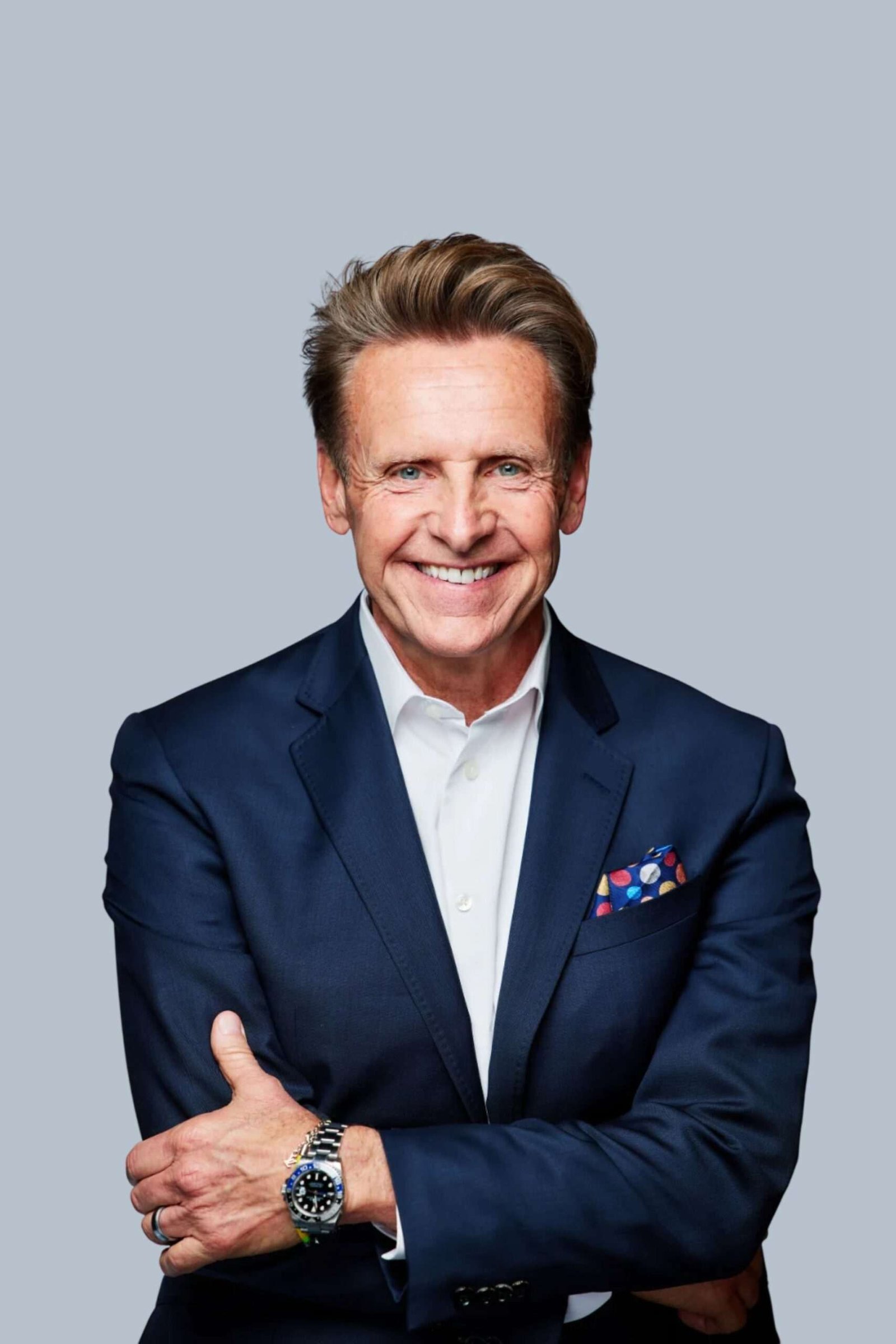
About the author
Nicholas J. Webb is a healthcare and innovation futurist, inventor, and bestselling author. His healthcare career began more than 40 years ago as a medical technologist, and he has since been awarded more than 40 patents, most of them licensed to manufacturers. He has served as a chief innovation officer and as an adjunct professor at a medical school, co-produced the award winning documentary The Healthcare Cure, and written bestselling books including Human Experience, What Customers Crave, and What Customers Hate. He has been named to the Global Gurus Top 30 list of customer service experts nine years in a row.
Ready for the conversation?
Bring these seven questions. Nick's team will confirm availability and schedule a live call with Nick.