
How to Choose the Right Innovation Keynote Speaker for Your 2027 Event

The right innovation speaker should help your audience understand what is changing while giving them practical ways to

The right innovation speaker should help your audience understand what is changing while giving them practical ways to turn emerging trends into business advantage. 

Innovation is one of the easiest keynote topics to make generic. Almost anyone can talk about change, creativity or artificial intelligence at a high level. The better speaker is someone who understands innovation as a business system and can connect future trends to measurable action.

Choosing an innovation keynote speaker for 2027 is a strategic decision, not a booking task. The speaker will shape how your audience thinks about AI, change and opportunity for months after the event. A weak choice leaves people entertained but unsure what to do. A strong one gives leaders a shared vocabulary and a practical starting point, which is exactly what a meeting built around innovation should deliver.

The seven criteria below cover what to look for, from practitioner experience and original research to AI fluency and customization, along with the warning signs of innovation theater.

Look for an Innovation Practitioner 

A speaker who has actually built, commercialized or managed innovation will understand the difficult parts that happen after the idea. Practical experience creates credibility when discussing governance, investment, testing and implementation.

A practitioner talks differently. Instead of describing innovation as a burst of inspiration, they describe the budget meeting where a promising project nearly died, the regulatory hurdle that reshaped a product or the moment a pilot proved the original idea wrong. Executive audiences recognize that texture immediately. Ask candidates to describe something they personally built or brought to market and what went wrong along the way.

During the vetting call, ask for specific evidence of hands on innovation work: products commercialized, patents, ventures launched or transformation programs led. Then ask how that experience shapes the advice they give leaders today. Compare answers across candidates. A speaker with real operating experience will answer in specifics, while a generalist will tend to retreat to broad themes.

Look for Original Research and Intellectual Property 

The audience should receive more than a summary of popular headlines. Strong speakers bring a clear point of view, original frameworks or research that helps people see innovation differently.

Many innovation talks are assembled from the same familiar case studies and widely shared statistics. Audiences notice, and attention fades. Original intellectual property sounds different: a named framework, a body of research or a model the speaker developed through years of work. That originality gives attendees something new to discuss in the hallway and to bring back to their teams. Does the candidate offer a perspective you cannot find in a quick search?

Request a sample of the speaker’s published work, such as books, articles or research, and review it before shortlisting. Check whether the keynote outline draws on that body of thought or simply recycles headlines. Ask which framework the audience will leave with and how it applies to your industry. If the answer is vague, the content probably is too.

Make Sure AI Is Part of the Conversation

By 2027, an innovation talk that ignores AI will feel incomplete. The speaker should understand how AI changes insight, experimentation, work design and competitive advantage without turning the entire presentation into a technology demonstration.

The best AI content in an innovation keynote is not a parade of tools. It explains how AI changes the way organizations gather insight, test ideas and redesign work, and it addresses the human questions of trust, skills and accountability. A useful test is whether the speaker can discuss AI with a skeptical finance leader and an enthusiastic technologist in the same room without losing either.

Ask each candidate how AI will feature in the talk and what proportion of the session it will occupy. Request one example of an AI insight tailored to your industry. An AI innovation keynote speaker should balance opportunity with governance and human judgment, so look for answers that cover both value creation and responsible use rather than hype.

Require Business Relevance 

Innovation needs to connect to growth, cost, customer value or strategic advantage. Ask the speaker how the presentation will help leaders make better decisions. Inspiration should have a business purpose.

Business relevance means a CFO in the audience can connect the message to revenue, margin or risk. It means a division leader leaves knowing which question to raise at the next planning meeting. A keynote that speaks only in metaphors and anecdotes may earn applause but rarely changes decisions. Ask what specific choices the speaker expects attendees to make differently after the session.

Share your organization’s strategic priorities with finalists and ask each to explain how the keynote supports them. Then define one or two post event indicators, such as follow up workshops requested or innovation initiatives launched within ninety days. Tracking those signals helps you judge whether the business innovation speaker delivered value and informs future speaker decisions.

Avoid Innovation Theater 

Brainstorming exercises and colorful ideas can be fun, but they do not necessarily create enterprise innovation. Look for speakers who discuss process, governance, prioritization and implementation.

Innovation theater looks productive. There are sticky notes, hackathons, a lab with bright furniture and a steady stream of announcements. Yet months later, little has reached customers or the balance sheet. A keynote that celebrates those activities without addressing selection, funding and scaling can reinforce the problem. Ask candidates how they help organizations move an idea from the workshop to the market.

Review recordings or outlines for signs of substance over spectacle. Look for discussion of decision criteria, resource allocation, governance and implementation, not only creativity exercises. Ask the speaker how their content has helped organizations kill weak projects or scale strong ones. A speaker who addresses the unglamorous mechanics of innovation is far more likely to leave lasting value.

Look for Actionable Frameworks 

Audiences remember models they can use. A speaker should provide a practical way to identify opportunities, evaluate ideas or decide what to do next. That increases the life of the keynote beyond the event.

A good framework works like a tool people can pick up on Monday morning. It might be a simple way to rank opportunities, a set of questions for evaluating a pilot or a model for sensing which trends deserve attention. When attendees can sketch the framework on a whiteboard back at the office, the keynote keeps working long after the applause.

Ask finalists to walk you through the core framework they will present and how attendees can apply it. Consider requesting a one page summary or worksheet to share after the event, and build a follow up session where teams use the framework on a real challenge. That converts a single presentation into an ongoing planning resource.

Demand Customization

Innovation challenges vary widely by industry and organization. The speaker should learn about your audience, current priorities and event strategy, then adjust examples and emphasis accordingly.

Customization goes deeper than adding your logo to the slides. It means the speaker understands what your audience is struggling with, whether that is a shrinking product cycle, a new competitor or a workforce adjusting to AI. Examples should come from your industry or adjacent ones, and the language should match how your people talk about their business. Generic content feels like a lecture; tailored content feels like advice.

Schedule a preparation call well before the event and come ready with audience profiles, current challenges, recent wins and the outcome you want. Offer interviews with two or three attendees or leaders. Then review the speaker’s draft outline to confirm your input shaped the content. The quality of the questions a speaker asks during preparation often signals the quality of the keynote itself.

Final Thought 

The best innovation keynote speaker for your 2027 event will combine practitioner experience, original thinking and a clear view of AI with genuine respect for your audience and goals. Choose for strategic fit, insist on customization and look for frameworks people can use. When those pieces come together, the keynote gives your organization a shared starting point for turning emerging trends into action.

About Nicholas J. Webb 

Nicholas J. Webb is an innovation, healthcare and future trends keynote speaker who works with organizations to improve innovation, human experience, leadership and future readiness.

Frequently Asked Questions

What should I look for in an innovation keynote speaker?

Look for real innovation experience, original research or intellectual property, fluency in AI and emerging technology, a clear business focus and willingness to customize. The strongest innovation keynote speakers give audiences practical frameworks for deciding what to pursue, not just inspiring stories, so the message translates into action after the event.

Innovation theater is activity that looks like innovation but produces little value: idea contests, labs and workshops that never lead to funded, tested or launched outcomes. It often stems from weak selection, unclear ownership and no path to scale. A good keynote helps leaders recognize it and replace it with disciplined process.

Yes. By 2027, AI touches nearly every part of the innovation process, from research and ideation to prototyping and work design. A strong keynote addresses AI in business terms, covering where it creates value, where human judgment must lead and how to govern its use, rather than turning the session into a product demonstration.
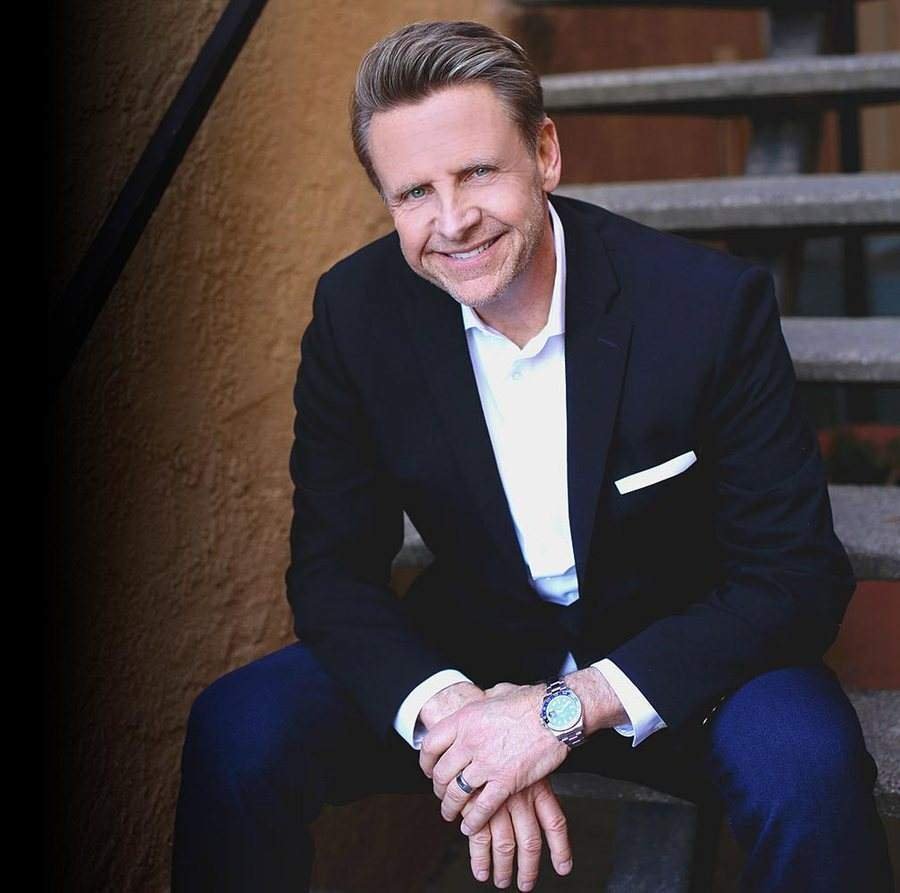
    Nick Webb

    About Nick Webb

    Nick Webb is a healthcare futurist, multiple time bestselling author, and one of the most in demand keynote speakers on innovation, AI, and the future of patient and employee experience. He helps boards and leadership teams turn fast moving technology into practical advantage. Nick.

    Bring this conversation to your stage

    Nick delivers keynotes that leave leaders with a clear plan, not just a sense of urgency. Check his availability for your next event.

    Book Nick

    The right innovation speaker should help your audience understand what is changing while giving them practical ways to turn emerging trends into business advantage. 

    Innovation is one of the easiest keynote topics to make generic. Almost anyone can talk about change, creativity or artificial intelligence at a high level. The better speaker is someone who understands innovation as a business system and can connect future trends to measurable action.

    Choosing an innovation keynote speaker for 2027 is a strategic decision, not a booking task. The speaker will shape how your audience thinks about AI, change and opportunity for months after the event. A weak choice leaves people entertained but unsure what to do. A strong one gives leaders a shared vocabulary and a practical starting point, which is exactly what a meeting built around innovation should deliver.

    The seven criteria below cover what to look for, from practitioner experience and original research to AI fluency and customization, along with the warning signs of innovation theater.

    Look for an Innovation Practitioner 

    A speaker who has actually built, commercialized or managed innovation will understand the difficult parts that happen after the idea. Practical experience creates credibility when discussing governance, investment, testing and implementation.

    A practitioner talks differently. Instead of describing innovation as a burst of inspiration, they describe the budget meeting where a promising project nearly died, the regulatory hurdle that reshaped a product or the moment a pilot proved the original idea wrong. Executive audiences recognize that texture immediately. Ask candidates to describe something they personally built or brought to market and what went wrong along the way.

    During the vetting call, ask for specific evidence of hands on innovation work: products commercialized, patents, ventures launched or transformation programs led. Then ask how that experience shapes the advice they give leaders today. Compare answers across candidates. A speaker with real operating experience will answer in specifics, while a generalist will tend to retreat to broad themes.

    Look for Original Research and Intellectual Property 

    The audience should receive more than a summary of popular headlines. Strong speakers bring a clear point of view, original frameworks or research that helps people see innovation differently.

    Many innovation talks are assembled from the same familiar case studies and widely shared statistics. Audiences notice, and attention fades. Original intellectual property sounds different: a named framework, a body of research or a model the speaker developed through years of work. That originality gives attendees something new to discuss in the hallway and to bring back to their teams. Does the candidate offer a perspective you cannot find in a quick search?

    Request a sample of the speaker’s published work, such as books, articles or research, and review it before shortlisting. Check whether the keynote outline draws on that body of thought or simply recycles headlines. Ask which framework the audience will leave with and how it applies to your industry. If the answer is vague, the content probably is too.

    Make Sure AI Is Part of the Conversation

    By 2027, an innovation talk that ignores AI will feel incomplete. The speaker should understand how AI changes insight, experimentation, work design and competitive advantage without turning the entire presentation into a technology demonstration.

    The best AI content in an innovation keynote is not a parade of tools. It explains how AI changes the way organizations gather insight, test ideas and redesign work, and it addresses the human questions of trust, skills and accountability. A useful test is whether the speaker can discuss AI with a skeptical finance leader and an enthusiastic technologist in the same room without losing either.

    Ask each candidate how AI will feature in the talk and what proportion of the session it will occupy. Request one example of an AI insight tailored to your industry. An AI innovation keynote speaker should balance opportunity with governance and human judgment, so look for answers that cover both value creation and responsible use rather than hype.

    Require Business Relevance 

    Innovation needs to connect to growth, cost, customer value or strategic advantage. Ask the speaker how the presentation will help leaders make better decisions. Inspiration should have a business purpose.

    Business relevance means a CFO in the audience can connect the message to revenue, margin or risk. It means a division leader leaves knowing which question to raise at the next planning meeting. A keynote that speaks only in metaphors and anecdotes may earn applause but rarely changes decisions. Ask what specific choices the speaker expects attendees to make differently after the session.

    Share your organization’s strategic priorities with finalists and ask each to explain how the keynote supports them. Then define one or two post event indicators, such as follow up workshops requested or innovation initiatives launched within ninety days. Tracking those signals helps you judge whether the business innovation speaker delivered value and informs future speaker decisions.

    Avoid Innovation Theater 

    Brainstorming exercises and colorful ideas can be fun, but they do not necessarily create enterprise innovation. Look for speakers who discuss process, governance, prioritization and implementation.

    Innovation theater looks productive. There are sticky notes, hackathons, a lab with bright furniture and a steady stream of announcements. Yet months later, little has reached customers or the balance sheet. A keynote that celebrates those activities without addressing selection, funding and scaling can reinforce the problem. Ask candidates how they help organizations move an idea from the workshop to the market.

    Review recordings or outlines for signs of substance over spectacle. Look for discussion of decision criteria, resource allocation, governance and implementation, not only creativity exercises. Ask the speaker how their content has helped organizations kill weak projects or scale strong ones. A speaker who addresses the unglamorous mechanics of innovation is far more likely to leave lasting value.

    Look for Actionable Frameworks 

    Audiences remember models they can use. A speaker should provide a practical way to identify opportunities, evaluate ideas or decide what to do next. That increases the life of the keynote beyond the event.

    A good framework works like a tool people can pick up on Monday morning. It might be a simple way to rank opportunities, a set of questions for evaluating a pilot or a model for sensing which trends deserve attention. When attendees can sketch the framework on a whiteboard back at the office, the keynote keeps working long after the applause.

    Ask finalists to walk you through the core framework they will present and how attendees can apply it. Consider requesting a one page summary or worksheet to share after the event, and build a follow up session where teams use the framework on a real challenge. That converts a single presentation into an ongoing planning resource.

    Demand Customization

    Innovation challenges vary widely by industry and organization. The speaker should learn about your audience, current priorities and event strategy, then adjust examples and emphasis accordingly.

    Customization goes deeper than adding your logo to the slides. It means the speaker understands what your audience is struggling with, whether that is a shrinking product cycle, a new competitor or a workforce adjusting to AI. Examples should come from your industry or adjacent ones, and the language should match how your people talk about their business. Generic content feels like a lecture; tailored content feels like advice.

    Schedule a preparation call well before the event and come ready with audience profiles, current challenges, recent wins and the outcome you want. Offer interviews with two or three attendees or leaders. Then review the speaker’s draft outline to confirm your input shaped the content. The quality of the questions a speaker asks during preparation often signals the quality of the keynote itself.

    Final Thought 

    The best innovation keynote speaker for your 2027 event will combine practitioner experience, original thinking and a clear view of AI with genuine respect for your audience and goals. Choose for strategic fit, insist on customization and look for frameworks people can use. When those pieces come together, the keynote gives your organization a shared starting point for turning emerging trends into action.

    About Nicholas J. Webb 

    Nicholas J. Webb is an innovation, healthcare and future trends keynote speaker who works with organizations to improve innovation, human experience, leadership and future readiness.

    Frequently Asked Questions

    What should I look for in an innovation keynote speaker?

    Look for real innovation experience, original research or intellectual property, fluency in AI and emerging technology, a clear business focus and willingness to customize. The strongest innovation keynote speakers give audiences practical frameworks for deciding what to pursue, not just inspiring stories, so the message translates into action after the event.

    Innovation theater is activity that looks like innovation but produces little value: idea contests, labs and workshops that never lead to funded, tested or launched outcomes. It often stems from weak selection, unclear ownership and no path to scale. A good keynote helps leaders recognize it and replace it with disciplined process.

    Yes. By 2027, AI touches nearly every part of the innovation process, from research and ideation to prototyping and work design. A strong keynote addresses AI in business terms, covering where it creates value, where human judgment must lead and how to govern its use, rather than turning the session into a product demonstration.