Choosing a healthcare keynote speaker should be based on far more than stage presence. The right speaker needs to understand the industry, the audience and the strategic outcome of the meeting.
A healthcare keynote can shape the tone and intellectual direction of an entire meeting. Event planners should therefore evaluate more than charisma. The right speaker needs substance, relevance, preparation and the ability to turn complexity into ideas the audience can use.
Healthcare audiences are among the most demanding in any industry. Physicians, executives, nurses and administrators can tell within minutes whether a speaker truly understands their world or is repeating headlines. That is why the best healthcare keynote speaker for your meeting is rarely the most famous name available. It is the one who combines credible knowledge, a distinctive point of view and the discipline to connect a message to what your attendees face every day.
The ten qualities below form a practical checklist for evaluating a healthcare conference speaker, with questions to ask during selection and signals to look for before you sign a contract.
Table of Contents:
1. Healthcare Fluency
The speaker should understand the healthcare ecosystem well enough to speak credibly to experienced leaders. That includes the relationships between patients, providers, payers, manufacturers, employers and technology.
Fluency becomes obvious in how a speaker handles nuance. Someone who understands the industry knows that a hospital system, a payer and a device manufacturer see the same trend very differently, and adjusts examples accordingly. During a selection call, ask the speaker to explain how a current issue affects two different parts of the ecosystem. Vague or generic answers are a warning sign.
Review recent recordings of the speaker presenting to healthcare audiences specifically, not just general business groups. Check whether the examples are accurate and current, and whether the terminology fits your attendees. If possible, speak with a planner from a comparable medical conference about how the audience responded to the speaker’s depth of knowledge.
2. Original Intellectual Property
A strong keynote should contain a clear point of view, frameworks or research that belong to the speaker. Generic summaries of popular trends rarely create lasting value.
Original intellectual property might take the form of a named framework, a body of published work or research the speaker has developed over years. It gives the audience a structured way to think rather than a collection of borrowed observations. Ask what ideas in the keynote the attendees could not have found in a quick online search. The answer tells you whether the content is truly distinctive.
Look at the speaker’s books, articles and published frameworks before booking, and confirm that the keynote draws on that body of work. Request an outline showing which original concepts will be presented and how they apply to your audience. Speakers with real intellectual property can usually describe their core models clearly and explain how they have evolved over time.
3. Strong Stage Presence
Content matters, but delivery matters too. The speaker should command the room, communicate clearly and use stories or examples that make complex ideas easier to remember.
Stage presence is not about volume or theatrics. It shows up as control of pacing, comfort with silence, eye contact across the room and stories that land at the right moment. A speaker with real presence can hold a tired audience after lunch as well as an energized one at the opening session. Ask yourself whether the recorded keynote holds your attention for its full length.
Watch at least one unedited full length recording rather than a polished highlight reel, since reels hide weak transitions and slow sections. Note how the audience reacts at the midpoint, not just at the opening and close. If possible, attend a live event or request references from planners who saw the speaker in a similar room size and format.
4. Meaningful Customization
The presentation should reflect the audience and purpose of the meeting. A speaker who asks thoughtful questions before the event is more likely to deliver something relevant.
Real customization goes well beyond inserting the client’s logo into slides. It means examples drawn from the audience’s sector, references to challenges the organization is facing and a message shaped around the meeting’s theme. A strong signal is a speaker who wants to interview stakeholders or review attendee data before writing anything. Ask what the speaker needs from you to tailor the content.
Schedule a planning call several weeks ahead that includes the speaker, the event lead and a senior sponsor from the organization. Share the agenda, audience profile, recent challenges and the outcome you want. Then ask for a short summary of how the keynote will be adapted and review it together before the event to confirm the customization is substantive.
5. Current Research
Healthcare is changing too quickly for stale examples. The speaker should have a process for staying current on technology, consumer behavior, workforce trends and market change.
A speaker who relied on the same examples three years ago will sound dated to a healthcare audience today. Current research shows up as recent developments in AI, new consumer behaviors, fresh workforce data and examples the audience recognizes from the past year. Ask how the speaker stays informed and how much of the keynote has been updated in the last six months.
Ask for the date the presentation was last revised and request a few examples of recent changes. Compare the material with themes from your own industry publications and conference tracks. A healthcare futurist speaker who maintains an active research practice should be able to describe the signals being tracked and how those signals are shaping the next version of the talk.
6. Ability to Simplify Complexity
The best speakers make difficult topics understandable without making them simplistic. Audiences should leave with clarity rather than a longer list of buzzwords.
Simplifying complexity means taking a tangled subject, such as reimbursement change or AI regulation, and giving the audience a clear structure they can repeat to a colleague afterward. It does not mean dumbing things down for experienced professionals. A good check is whether you can summarize the main idea of the speaker’s sample keynote in two sentences after watching it.
After watching a recording, write down the three ideas you remember without looking at notes. If you cannot recall them, the audience probably will not either. During selection, ask the speaker to explain the central concept of the keynote in one minute. Clarity under that constraint is a reliable predictor of clarity on stage in front of a full ballroom.
7. Actionable Recommendations
A keynote should give people something they can do. Frameworks, questions and practical next steps turn inspiration into value.
Actionable content might be a short set of diagnostic questions, a simple framework for evaluating new technology or three specific steps teams can try the following week. Inspiration has value, but it fades within days without something concrete to hold onto. Ask the speaker what attendees will be able to do differently on Monday morning as a direct result of the session.
Request examples of the takeaways the speaker typically provides, such as worksheets, discussion guides or follow up resources. Plan a way to capture actions from the room, whether a post session survey or a facilitated breakout. Measuring how many attendees report applying an idea within a month gives you a far better picture of keynote value than session ratings alone.
8. Understanding of Leadership
Most healthcare challenges are ultimately leadership challenges. The speaker should understand alignment, governance, culture and execution, not simply trends.
Every trend eventually becomes a leadership question: who decides, how teams align and how change gets executed when resources are tight. A speaker who understands leadership connects ideas to the realities of governance, incentives and culture inside healthcare organizations. Ask how the keynote addresses the people responsible for making change happen, not only the trends themselves. That is where healthcare leadership keynote value is created.
Look for evidence that the speaker has worked with executive teams, boards or clinical leaders in an advisory or operating role, not only on stage. Ask how the content would change for a room of senior executives compared with frontline managers. A thoughtful answer shows the speaker understands that leadership challenges differ by level and responsibility.
9. Understanding of Technology and AI
Artificial intelligence now touches almost every strategic conversation in healthcare. A credible speaker should understand both the opportunity and the human risks of deployment.
A credible discussion of AI covers more than impressive capabilities. It addresses governance, data privacy, clinician trust, workforce impact and the risk of eroding human connection with patients. Be cautious of speakers who present AI as either a miracle or a threat. Ask how the speaker would help your audience decide which AI uses are worth pursuing and which deserve skepticism.
Review how recently the speaker has addressed AI and whether the examples are specific to healthcare settings. Ask for the speaker’s view on governance and human centered deployment, and confirm that view fits your organization’s values. A balanced perspective is especially important if your attendees include clinicians who may be skeptical of new technology.
10. A Clear Connection to the Event Strategy
The keynote should strengthen the meeting as a whole. The best speakers work with planners to support the event curriculum, reinforce themes and create a useful bridge to the sessions that follow.
The keynote often sets the vocabulary for the rest of the conference. When the opening speaker introduces a framework that breakout sessions later reference, the whole event feels coherent and attendees retain more. Ask how the speaker’s message could be woven into panels, workshops and closing sessions so that the ideas carry through the agenda rather than ending when the applause does.
Share the full agenda and session descriptions with the speaker early, and ask for suggestions on how the keynote can set up the sessions that follow. Consider a short briefing for other presenters on the keynote’s central ideas. After the event, look at session feedback to see whether attendees connected themes across the
Final Thought
A healthcare keynote earns its place when attendees carry its ideas into their organizations long after the conference ends. Use these ten qualities as a filter, ask direct questions and look for evidence rather than reputation. The speaker who combines healthcare fluency, original thinking and genuine preparation will strengthen your entire program and give your audience a clearer view of what to do next.
About Nicholas J. Webb
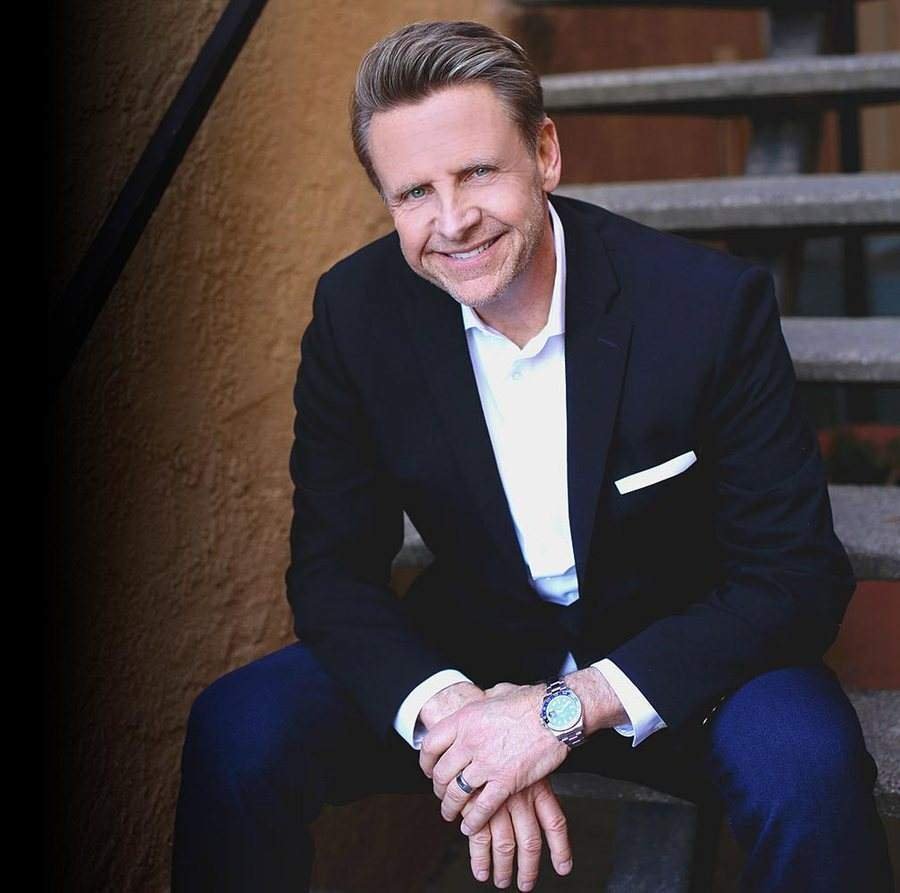
Nicholas J. Webb is an innovation, healthcare and future trends keynote speaker who works with organizations to improve innovation, human experience, leadership and future readiness.program as intended.
Frequently Asked Questions
What makes a great healthcare keynote speaker?
A great healthcare keynote speaker combines genuine industry fluency, original ideas, strong delivery and practical recommendations. The best speakers customize content to the audience, stay current on AI and healthcare trends and understand leadership. Most importantly, they connect the keynote to the meeting’s strategic goals so attendees leave with clarity and actions they can use.
How can event planners evaluate a speaker before booking?
Watch full length, unedited recordings, ideally from healthcare events. Hold a planning call to test how the speaker approaches customization and research. Ask for references from planners with similar audiences, review the speaker’s published work and request an outline that shows how the keynote supports your event strategy and desired outcomes.
Why does original intellectual property matter in a keynote?
Original intellectual property gives the audience a distinctive way of thinking that cannot be found in a quick search or a trend report. Frameworks and research developed by the speaker are easier to remember, apply and share. They also signal depth of expertise, which matters to experienced healthcare professionals who quickly recognize recycled content.