Happy Work by Nicholas J. Webb | Book Summary and Key Takeaways

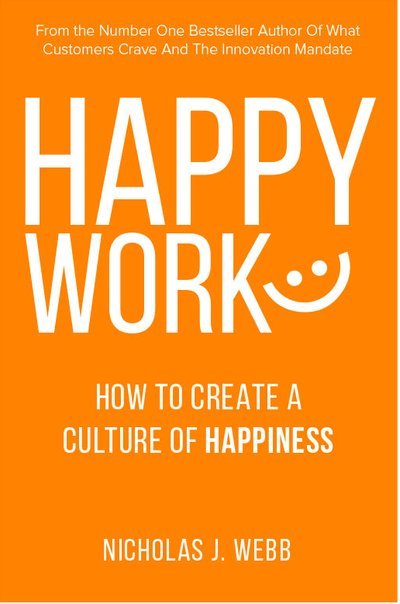
Happy Work How to Create a Culture of Happiness

Happy Work explains why so many well intentioned quality of work life initiatives fail, and gives leaders a practical system for creating a workplace where people do meaningful work and want to stay. Webb shows how happy employees drive happy customers, stronger sales, and more innovation.

Happy Work book cover by Nicholas J. Webb

The book in brief

In Happy Work, Nicholas J. Webb draws on three decades of consulting experience. He has watched respected CEOs launch quality of work life initiatives with the best intentions, only to see them fail. His consulting firm, LeaderLogic, became something of a cleanup crew for those efforts, and the lessons from that work became the foundation of this book.

The Great Resignation made the stakes clear. The best companies now compete for the best employees, and the paycheck is only part of the decision. People want meaningful work that creates value. Webb connects employee happiness to productivity, customer experience, sales growth, and innovation.

The book moves from measuring happiness and its benefits to designing the happy job, the happy company, and the wider happiness ecosystem. It closes with a leader's guide to making workplace happiness real, including human experience design and the employee touchpoint journey.

The core framework

Happy Work moves from understanding why happiness programs fail to a practical system for designing work people actually enjoy.

Why happiness programs fail

Perks and slogans rarely change how work feels day to day. Without measurement and redesign, quality of work life initiatives fade.

What works instead

Measure happiness, understand what each employee values, design the job and the company around it, and lead it visibly.

The Happy Work system

Measure happiness

Treat happiness as something you can track, with real benefits you can quantify.

Know your people

Use emphasis archetypes and employee personas to understand what different people value.

Design the happy job

Shape roles so work is meaningful, not just tolerable.

Map the employee journey

Design every employee touchpoint, from recruiting to growth, with intent.

Build the ecosystem

Align leaders, culture, and systems so happiness is sustained.

Practical guides from Happy Work

How do you improve employee engagement?

Engagement improves when work feels meaningful and the experience of doing it is designed with intent. Webb's approach starts with measuring happiness, understanding what different employees value, and redesigning jobs and touchpoints rather than adding perks.

Measure first.You cannot improve what you do not track. Establish a baseline for workplace happiness.

Learn what people value.Different employees emphasize different things. Build personas rather than assuming one size fits all.

Redesign the work.Engagement comes from meaningful work, clear purpose, and the ability to create value.

Follow through visibly.Act on what you learn and show people what changed.
How do you create a culture of happiness at work?

A culture of happiness is built by design, not by announcement. Webb describes moving from the happy job to the happy company to a happiness ecosystem, where leadership, systems, and daily experience all reinforce the same commitment.

Start with the job.Happiness lives in daily work. Make roles meaningful and well supported.

Scale to the company.Align policies, recognition, and leadership behavior with what makes people thrive.

Build the ecosystem.Connect culture, customer experience, and innovation so they strengthen each other.

Make leaders accountable.Culture follows what leaders model and measure.

How do you retain top talent and reduce turnover?

Top performers stay where they do meaningful work, feel valued, and see a future. Webb argues that competing on salary alone is a losing game; the companies that win the talent competition design an employee experience people would not want to leave.

Understand why people leave.Exit patterns reveal where the experience breaks down.

Personalize growth.Use employee personas to tailor development and recognition.

Remove workplace friction.Unnecessary process, unclear priorities, and poor tools drive good people out.

Make meaning visible.Show employees the value their work creates for customers and the organization.

How do you measure employee happiness?

Measure happiness regularly and specifically, then tie it to outcomes like productivity, retention, customer experience, and revenue. Happy Work presents the RealRatings Happiness Solution as Webb's approach to making happiness measurable and actionable.

Measure often.Annual surveys are too slow. Track happiness frequently enough to act on it.

Ask about the work itself.Focus on purpose, autonomy, recognition, and the daily experience.

Connect to results.Link happiness data to retention, productivity, and customer outcomes.

Share and act.Report results honestly and commit to specific improvements.

How do you design a better employee experience?

Design the employee experience the way the best companies design the customer experience: map every touchpoint, understand what each employee type values, and invent better moments at each stage. Webb calls this human experience design.

Map the employee touchpoint journey.From recruiting and onboarding to development and recognition, every stage matters.

Build employee personas.Different people need different things to thrive.

Innovate the experience.Treat employee experience as an innovation activity, not an HR program.

Test and refine.Pilot changes, measure the effect, and improve.

How does employee happiness improve customer experience?

Happy employees create happy customers. Webb shows the connection between employee happiness, customer experience, sales growth, and innovation: people who enjoy their work serve customers better, stay longer, and contribute more ideas.

Connect the two experiences.Measure employee and customer experience side by side.

Empower the front line.Engaged employees solve customer problems instead of escalating them.

Retain institutional knowledge.Lower turnover means customers deal with experienced people.

Invite ideas.Happy employees contribute more innovation, often from direct customer insight.

Want these ideas on your stage?

Nick delivers keynotes built on Happy Work, customized to your audience and industry.

Key terms from the book

Quality of work life initiative
A program meant to improve the employee experience, which Webb shows often fails without measurement and redesign.
RealRatings Happiness Solution
Webb's approach to measuring workplace happiness and turning the results into action.
Emphasis archetypes
Patterns describing what different employees emphasize and value most at work.
Employee persona
A profile of an employee type used to design experiences that fit what that group values.
Employee touchpoint journey
The full set of moments that shape how an employee experiences the organization.
Happiness ecosystem
The alignment of leadership, culture, and systems that keeps workplace happiness sustainable.

Key takeaways

Happy employees are better employees, and they create happier customers.

Perks do not create happiness. Meaningful, well designed work does.

Measure happiness the way you measure any other business result.

Different employees value different things. Design for them, not for an average.

The best companies compete for talent on experience, not just pay.

Frequently asked questions

Who wrote Happy Work?

Happy Work was written by Nicholas J. Webb, CEO of the consulting firm LeaderLogic, keynote speaker, and author of What Customers Crave and The Innovation Mandate.

When was Happy Work published?

Happy Work was published by LeaderLogic in 2022. The audiobook, narrated by Dalan Decker, was released in January 2023.

Why do quality of work life initiatives fail?

Webb finds that many are launched with good intentions but rely on perks and announcements rather than measurement and genuine redesign of the work and the employee experience.

What is the connection between employee happiness and customer experience?

Happy employees serve customers better, stay longer, and contribute more ideas. Webb links workplace happiness directly to customer experience, sales growth, and innovation.

Who should read Happy Work?

CEOs, HR and people leaders, managers, and anyone responsible for culture, engagement, or retention.

Does Nicholas Webb speak on workplace happiness?

Yes. Nick delivers keynotes on happiness as an enterprise strategy, employee experience, and attracting and keeping mission critical talent.

Nicholas J. Webb, keynote speaker, futurist, and bestselling author

About the Author

Nick Webb is a number one bestselling author and futurist who curates the future for audiences across industries, from innovation and technology to leadership and the future of healthcare. He is also CEO of LeaderLogic, where he advises boards of multibillion dollar companies on building future ready organizations.

His career began as a technologist creating award winning innovations in healthcare, consumer goods, and industrial technology, work that earned him more than 40 US patents. Today he operates an AI Lab with new patents in continuous patient monitoring and the analysis of mood states using artificial intelligence.

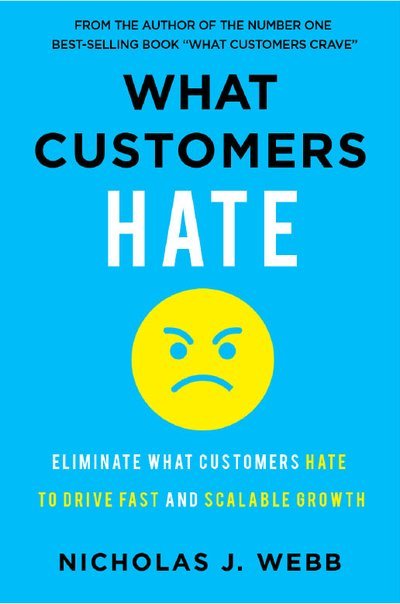
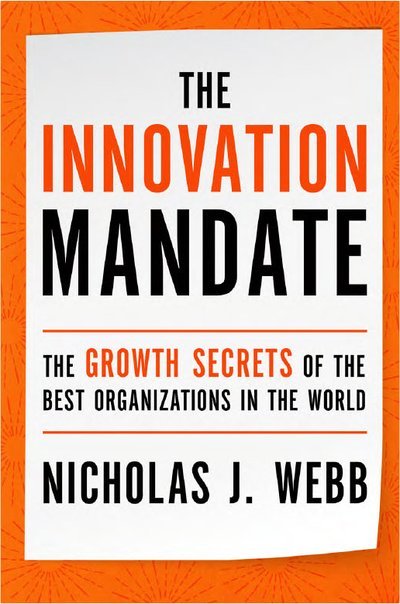
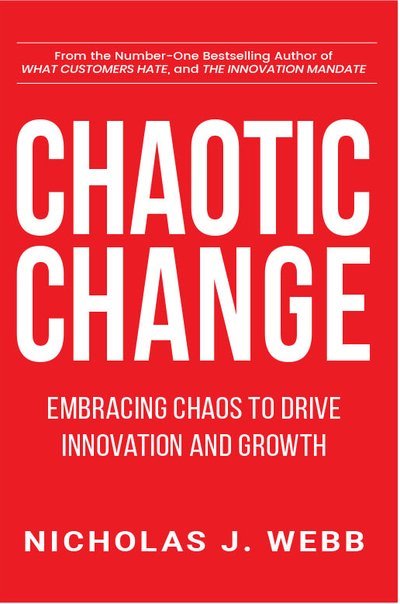
Nick is the author of bestsellers including What Customers Crave, The Innovation Mandate, What Customers Hate, Happy Work, Lucid Leadership, and Chaotic Change. He has served as a Chief Innovation Officer and an adjunct professor at a top medical school, and was awarded an honorary Doctorate of Humane Letters for his contributions to healthcare. His documentary, The Healthcare Cure, won the Audience Choice Award at the Sedona International Film Festival.

Audiences embrace his lively, high energy, and meticulously tailored presentations, which is why the world's best organizations and the meeting planners who serve them keep bringing him back.

Bring Happy Work to your event

A keynote on happiness as a business strategy, employee experience, and keeping your best people, customized to your audience.

Check availability

Make your event the one everyone remembers.

Share a few details about your event, and Nick’s team will get right back to you about availability, fit, and how he can make your audience and you look great.

Prefer to talk now? Call (530) 782-2625

Check Nick's availability

Tell us about your event and we will follow up personally.

Prefer to talk now? Call (602) 233-7107