Human Experience by Nicholas J. Webb | Book Summary and Key Takeaways

Human Experience Driving Innovation and Growth in the Human Experience Economy

Human Experience is a leadership playbook for growth in the age of AI. Webb argues that AI is an amplifier, not a strategy, and that culture determines whether technology accelerates growth or undermines it. The organizations that win design a people first experience for the customers they serve and the people who serve them.

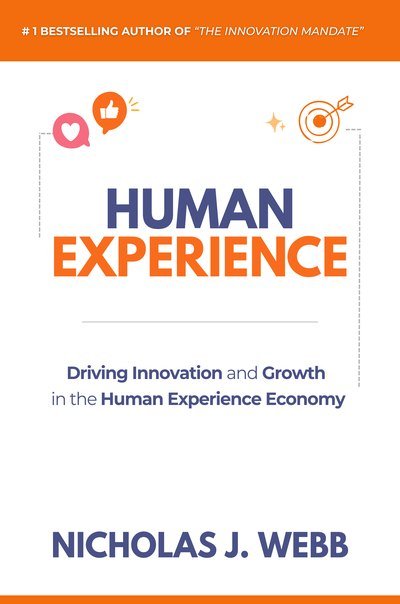
Human Experience book cover by Nicholas J. Webb

The book in brief

In Human Experience, Nicholas J. Webb brings together the ideas behind What Customers Crave, What Customers Hate, and Happy Work into one model. Customer experience and employee experience are not separate disciplines. They are two sides of the same human experience, and organizations that design both together outperform those that treat them in isolation.

The book arrives as AI reshapes work. Webb's position is clear: technology amplifies whatever culture it is placed in. A people first culture turns AI into a growth engine, while a broken culture uses it to scale frustration. He shows leaders how to adopt AI responsibly while keeping people at the center.

Human Experience offers a step by step framework for building a people first culture, tools for redesigning customer and employee journeys, and practical guidance for executives who want innovation, loyalty, and measurable performance.

The core framework

Human experience unites how an organization treats its customers and its people into one strategy for growth.

AI is an amplifier, not a strategy

Technology magnifies the culture it enters. A people first culture turns AI into growth; a broken one scales frustration.

Customers and employees are one experience

How employees experience work shapes how customers experience the brand. Design both together.

What human experience innovation improves

Less friction

Remove effort, delay, and confusion for customers and employees.

More value

Make every interaction worth the time it takes.

Transparency

Be clear and honest about what people can expect.

Human connection

Protect the moments where empathy and judgment matter most.

Practical guides from Human Experience

What is human experience (HX) and why does it matter?

Human experience, or HX, is the combined experience of everyone an organization touches: customers, employees, partners, and communities. It matters because the same culture and systems shape all of those experiences, and organizations that design them together grow faster and keep people longer.

It goes beyond customer experience.CX focuses on buyers. HX includes the employees who deliver the experience.

It is a growth strategy.People first organizations earn loyalty, innovation, and performance.

It is designed, not hoped for.Webb treats HX as an innovation discipline with journeys to map and redesign.

It is measurable.Track customer and employee outcomes side by side.
How do you build a human experience strategy?

Start by defining the experience you want customers and employees to have, map the journeys that shape it, and redesign the moments that create the most friction or the most value. Webb's framework makes a people first culture the foundation everything else rests on.

Set a people first standard.Define what a great experience looks like for customers and employees alike.

Map both journeys.Identify every customer touchpoint and every employee touchpoint.

Redesign the critical moments.Focus first on the moments that create the most friction or the most loyalty.

Lead and measure it.Make HX an executive priority with clear metrics.

How do you improve employee experience and customer experience together?

Recognize that employees deliver the customer experience, so improving one without the other rarely lasts. Remove the friction employees face, and they remove the friction customers face.

Find shared friction.Many customer frustrations start with broken internal tools or processes.

Empower the front line.Give employees the authority and information to solve customer problems.

Align incentives.Reward teams for experience outcomes, not just efficiency.

Listen to both groups.Use customer and employee feedback together to set priorities.

How do you adopt AI without losing the human touch?

Use AI to remove routine friction so people have more time for the moments that need empathy and judgment. Webb's guidance is to adopt AI responsibly, inside a people first culture, rather than treating it as a strategy by itself.

Automate the routine.Let AI handle repetitive tasks that frustrate customers and employees.

Protect human moments.Keep people in high stakes, emotional, or complex interactions.

Be transparent.Tell customers and employees how AI is being used.

Prepare your people.Train teams to work with AI and show them how it improves their work.

How do you build a people first culture?

A people first culture is built through leadership behavior, systems, and daily experience that consistently put people at the center. Webb's framework gives executives a step by step path from intention to measurable performance.

Lead by example.Culture follows what leaders do, not what they say.

Design for people.Shape processes and tools around the humans who use them.

Measure what matters.Track engagement, retention, loyalty, and innovation.

Sustain it.Revisit the culture regularly as the organization grows and changes.

How do you redesign customer and employee journeys?

Map each journey from the person's point of view, identify where they feel friction and where they feel valued, and redesign the moments that matter most. Then test the changes with real people and keep refining.

Walk the journey yourself.Experience each step as a customer or employee would.

Mark friction and delight.Note where people struggle and where they feel well served.

Invent better moments.Redesign the experience rather than patching individual problems.

Test, measure, repeat.Journeys change as expectations rise. Keep improving.

Want these ideas on your stage?

Nick delivers keynotes built on Human Experience, customized to your audience and industry.

Key terms from the book

Human experience (HX)
The combined experience of customers, employees, and everyone an organization serves.
Human Experience Innovation (HXI)
Webb's discipline of designing better experiences for customers and employees through innovation.
Human experience economy
A market in which organizations compete on the quality of the experiences they create for people.
People first culture
A culture in which leadership, systems, and daily work consistently put people at the center.
AI as amplifier
Webb's view that AI magnifies an organization's existing culture rather than replacing a strategy.
Journey redesign
Reworking customer and employee journeys around the moments that matter most.

Key takeaways

AI is an amplifier, not a strategy.

Customer experience and employee experience are one human experience.

Reduce friction while increasing value, transparency, and human connection.

A people first culture drives innovation, loyalty, and measurable performance.

Design the experience deliberately. Do not leave it to chance.

Frequently asked questions

Who wrote Human Experience?

Human Experience was written by Nicholas J. Webb, keynote speaker, inventor with more than 40 US patents, CEO of LeaderLogic, and author of What Customers Crave and What Customers Hate.

When was Human Experience released?

Human Experience was released in February 2026.

What is human experience (HX)?

Human experience is the combined experience of everyone an organization touches, including customers and employees. Webb argues the two should be designed together because the same culture shapes both.

What does Webb mean by AI is an amplifier, not a strategy?

AI magnifies the culture it is placed in. In a people first organization it accelerates growth; in a broken culture it scales frustration.

How is Human Experience different from What Customers Crave?

What Customers Crave focuses on the customer journey. Human Experience extends the model to employees and the wider organization, and addresses responsible AI adoption.

Does Nicholas Webb speak on human experience?

Yes. Human experience design is one of Nick's most requested keynote topics, customized for corporations, associations, and healthcare organizations.

Nicholas J. Webb, keynote speaker, futurist, and bestselling author

About the Author

Nick Webb is a number one bestselling author and futurist who curates the future for audiences across industries, from innovation and technology to leadership and the future of healthcare. He is also CEO of LeaderLogic, where he advises boards of multibillion dollar companies on building future ready organizations.

His career began as a technologist creating award winning innovations in healthcare, consumer goods, and industrial technology, work that earned him more than 40 US patents. Today he operates an AI Lab with new patents in continuous patient monitoring and the analysis of mood states using artificial intelligence.

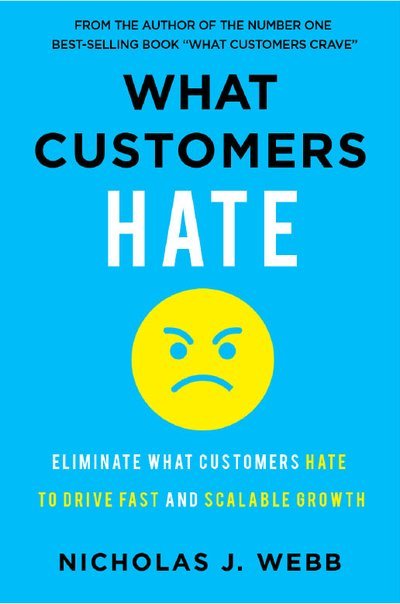
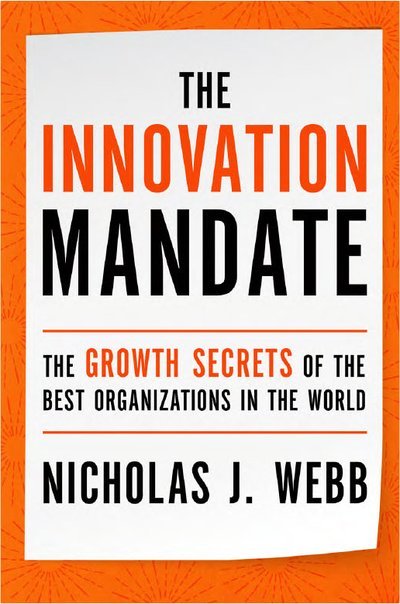
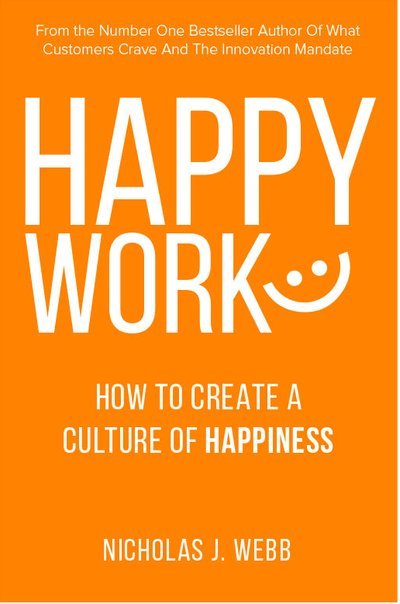
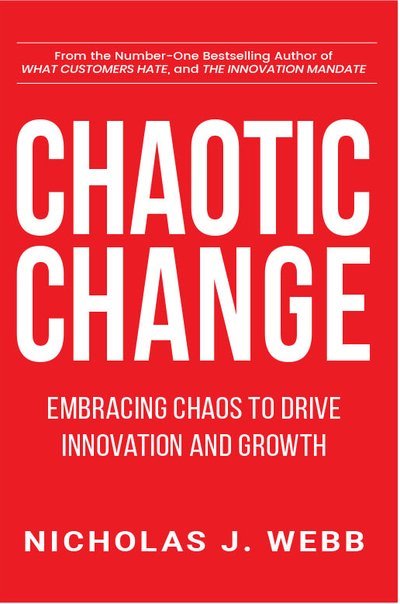
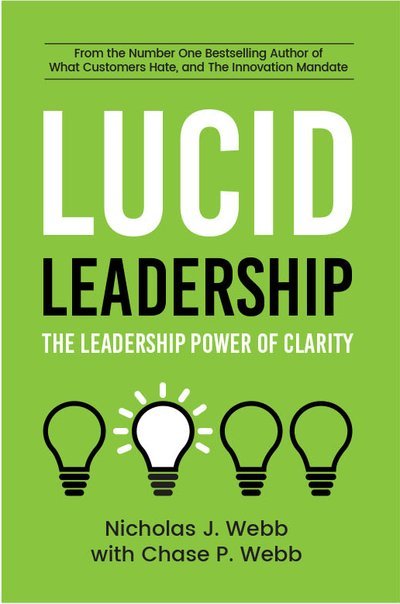
Nick is the author of bestsellers including What Customers Crave, The Innovation Mandate, What Customers Hate, Happy Work, Lucid Leadership, and Chaotic Change. He has served as a Chief Innovation Officer and an adjunct professor at a top medical school, and was awarded an honorary Doctorate of Humane Letters for his contributions to healthcare. His documentary, The Healthcare Cure, won the Audience Choice Award at the Sedona International Film Festival.

Audiences embrace his lively, high energy, and meticulously tailored presentations, which is why the world's best organizations and the meeting planners who serve them keep bringing him back.

Bring Human Experience to your event

A keynote on people first growth in the age of AI, built on Nick's newest book and customized to your audience.

Check availability

Make your event the one everyone remembers.

Share a few details about your event, and Nick’s team will get right back to you about availability, fit, and how he can make your audience and you look great.

Prefer to talk now? Call (530) 782-2625

Check Nick's availability

Tell us about your event and we will follow up personally.

Prefer to talk now? Call (602) 233-7107