The strongest keynote topics reflect the issues leaders are actually dealing with right now rather than simply recycling traditional motivational themes.
Audiences want keynote content that helps them make sense of the world they are actually working in. In 2026, the most relevant topics are connected by a common theme: how leaders and organizations adapt to rapid change without losing the human elements that create trust, creativity and performance.
Choosing a keynote topic used to mean picking between motivation, leadership and the occasional technology session. That menu is no longer enough. Audiences now arrive carrying specific pressures: AI decisions, workforce shortages, rising customer expectations and constant disruption. The keynote speaker topics that land in 2026 are the ones that address those pressures directly and leave people with a way to respond, not just a good feeling about the day.
Below are the eight topics event planners are requesting most often for 2026, what each should deliver for an audience and how to make sure the session you book meets that standard.
Table of Contents:
Artificial Intelligence
AI remains one of the most requested topics because it affects almost every function. Strong keynotes move beyond demonstrations and focus on how organizations create value, govern risk and redesign work around new capability.
The difference between a demonstration and a strategy session is easy to spot. A demonstration shows a tool generating text or images. A strategy session asks which decisions in the audience’s own organization could be improved, what data and governance those uses require and who is accountable when results go wrong. When evaluating an AI keynote speaker, ask what attendees will be able to decide differently afterward.
Request the speaker’s framework for evaluating AI opportunities and check whether it covers value, risk and workforce impact together. Ask how the content will be adapted for your audience’s industry and maturity level. After the event, survey attendees on whether they identified at least one specific AI use case worth exploring in their own work.
The Future of Work
Leaders are deciding which work belongs with people, which belongs with machines and how to create roles that improve both productivity and engagement. This makes workforce design a strategic issue rather than a human resources topic.
Consider a manufacturer deciding whether automation should replace a scheduling team or free that team to manage supplier relationships. Same technology, very different future. A strong future of work speaker helps audiences think through choices like that one, covering skills, role design and the experience of the people doing the work. The useful question is which tasks your audience would most like to give away and which they must keep.
Ask candidates how they address the human side of automation without drifting into fear or false reassurance. Look for practical tools, such as a way to sort tasks by value and risk. Pair the keynote with a breakout where teams map one of their own roles, giving the topic an immediate and measurable application.
Innovation
Innovation is increasingly about speed, insight and disciplined experimentation. Audiences need practical ways to identify opportunities and move ideas into action without creating unnecessary risk.
Disciplined experimentation sounds dull until you see what it replaces: large, slow bets that fail quietly after a year. In a strong innovation session, audiences learn how to frame a small test, decide in advance what success looks like and stop projects that are not working. Ask whether the innovation keynote speaker offers a method people can use next week, not just stories about famous companies.
Have the speaker introduce one simple tool, such as an opportunity screen or an experiment template, and build a follow up session where teams apply it to a live idea. Track how many teams submit an experiment within ninety days. That number tells you more about the keynote’s value than any satisfaction score.
Chaotic Change
Many leaders feel that change is arriving from every direction. A useful keynote can help them understand how technology, customers, workforce and economics interact, then provide a framework for prioritizing response.
Chaotic change describes the moment when several forces shift at once and reinforce each other. A hospital, for instance, may face new AI tools, staffing shortages, payment changes and more demanding patients in the same year. Treating each as a separate project overwhelms leadership. A good keynote shows how to see the connections and decide which shift deserves attention first.
Ask the speaker for a prioritization framework the audience can apply to its own list of disruptions. Give attendees a worksheet during or after the session to rank their top five pressures by impact and readiness. Collecting those rankings provides leadership with a useful snapshot of where the organization feels most exposed.
Customer Experience and Human Experience
Customers expect less friction and more personalization, while employees expect better work environments. Human experience connects those two realities and gives leaders a broader way to think about value.
Customer experience and employee experience are often managed by separate teams with separate budgets, yet they show up in the same moment. A frustrated employee working with a clumsy system rarely delivers a great customer interaction. A customer experience keynote framed around human experience helps audiences see that link and design for both sides. Ask where friction for staff is quietly creating friction for customers.
Choose a speaker who can point to a practical model for identifying friction points across the customer and employee journey. Ask attendees to name one moment of friction from each side before they leave. Those lists give event organizers and sponsors a direct line into the issues the audience most wants solved.
Leadership
Leadership topics remain important, but audiences are looking for practical relevance. They want help with clarity, accountability, adaptability and the human demands of leading through uncertainty.
Practical relevance means a leadership keynote speaker addresses the decisions managers actually face: how to set priorities when everything feels urgent, how to hold people accountable during uncertainty and how to support teams that are tired. Inspirational stories still have a place, but only when they lead to a usable idea. Ask candidates what a manager in your audience would do differently on Monday morning.
Review a recent recording and count how much time goes to stories versus usable guidance. Strong leadership content balances both. Ask for the specific behaviors or practices the talk recommends, and include those in post event communications so managers have a reference they can return to with their teams.
Healthcare Transformation
Healthcare audiences are dealing with AI, consumerism, workforce pressure and new models of care. Keynotes that connect those trends to action can create significant value for clinical and executive leaders.
Healthcare audiences are skeptical of speakers who treat their industry as a simple case study. Clinicians and executives want someone who understands regulation, patient safety and the real constraints of care delivery. A useful healthcare keynote might connect consumer expectations to access redesign or show how AI can reduce documentation burden. Ask whether the speaker has direct healthcare experience or relies only on secondhand examples.
Confirm the speaker can address both clinical and administrative leaders in the same room. Request examples drawn from health systems, payers or life sciences rather than retail or hospitality analogies alone. Afterward, gather feedback separately from clinical and executive attendees to see whether the message was credible to both groups.
Future Readiness
Perhaps the broadest theme is future readiness. Organizations need a repeatable ability to sense change, make decisions and adapt. That capability is becoming more important than any single prediction about what comes next.
Future readiness is less about forecasting and more about building habits. An organization that regularly scans for signals, discusses what they mean and adjusts plans quickly will handle surprises better than one with a polished five year forecast. A future trends speaker should help audiences build that habit. Ask how your organization currently notices change and how long it takes to respond.
Pick a speaker who can leave the audience with a simple routine, such as a quarterly trend review or a list of signals to monitor. Encourage leadership teams to schedule the first session before the event ends. Whether that review actually happens within the next quarter is a clear sign the topic delivered value.
Final Thought
The best keynote topics for 2026 share one quality: they meet audiences where the pressure really is. AI, workforce change, innovation, experience and leadership all matter, but only when the session translates them into decisions people can make. Planners who choose topics around their audience’s actual challenges, and select speakers who bring usable frameworks, will deliver events that keep paying off long after the final session.
About Nicholas J. Webb
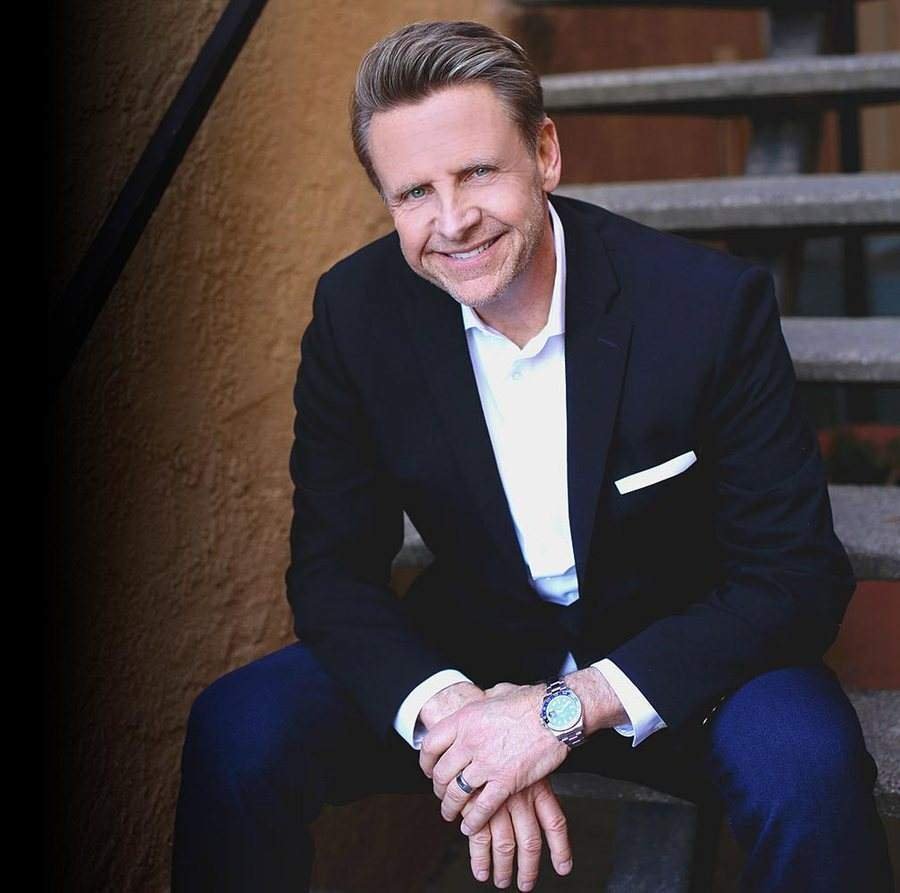
Nicholas J. Webb is an innovation, healthcare and future trends keynote speaker who works with organizations to improve innovation, human experience, leadership and future readiness.
Frequently Asked Questions
What are the most requested keynote topics for 2026?
The top keynote speaker topics for 2026 include artificial intelligence, the future of work, innovation, chaotic change, customer and human experience, leadership, healthcare transformation and future readiness. They share a focus on helping organizations adapt to fast change while protecting the trust, creativity and engagement that drive performance.
How do I choose the right keynote topic for my audience?
Start with the challenge your audience is facing and the outcome you want from the event. Then match the topic to the audience’s role, industry and level of experience. An AI keynote for executives should focus on strategy and governance, while one for frontline teams may focus on how daily work will change.
Are motivational keynotes still relevant in 2026?
Yes, when motivation is paired with substance. Audiences still respond to energy and story, but they expect practical takeaways tied to the pressures they face. The most effective keynotes now combine inspiration with frameworks, examples and clear actions that people can apply when they return to work.