Chaotic Change by Nicholas J. Webb | Book Summary and Key Takeaways

Chaotic Change Embracing Chaos to Drive Innovation and Growth

Chaotic Change is a guide for leaders, innovators, and change makers navigating a business landscape that never stops moving. Through stories, case studies, and practical strategies, Webb shows how to leverage chaotic change to drive and sustain innovation instead of being crushed by it.

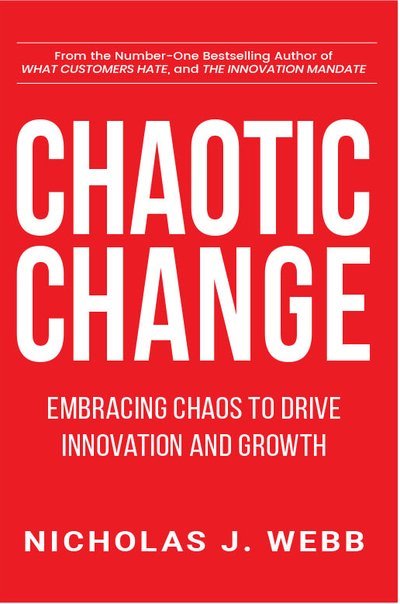
Chaotic Change book cover by Nicholas J. Webb

The book in brief

In Chaotic Change, Nicholas J. Webb argues that rapid, unpredictable change is now the normal condition of business. Organizations can either leverage it or be crushed by it. The difference is leadership that is clear about value, disciplined about innovation, and focused on people.

The book is organized in three parts. Leadership covers the value leadership model, the role of directors and investors, making innovation real, the rise of artificial intelligence, and why companies must stop focusing only on what they think customers want. Innovation covers building a culture of innovation, employee experience design, and technology in customer experience. The final part shows why chaotic change is people powered.

Each section builds on the last, from strategic excellence to a culture of happiness and clarity, offering a complete approach to change management for executives, boards, and teams.

The core framework

The book is organized in three parts that build on each other, from how leaders think about value to how people power lasting change.

Three parts

Leadership

Leverage chaotic change, the value leadership model, directors and investors, making innovation real, and the rise of AI.

Innovation

Building a culture of innovation, innovation and employee experience design, and technology in customer experience.

People powered

Why lasting change depends on the people who carry it out.

Leverage it or be crushed by it

Change is not a phase to wait out. Leaders who use disruption as fuel for innovation outpace those who resist it.

Stop focusing only on what you think customers want

Assumptions about customers break down fastest in times of change. Listen for what they love and what they hate.

Practical guides from Chaotic Change

How do you lead through rapid change?

Lead with clarity about value. Webb's value leadership model asks leaders to focus the organization on the value it creates for customers, employees, and investors, so that decisions stay grounded even when conditions shift every quarter.

Name the change honestly.People handle disruption better when leaders describe it plainly.

Anchor decisions in value.Ask what creates value for customers, employees, and investors, and let that guide tradeoffs.

Move in short cycles.Plan, act, learn, and adjust faster than the market moves.

Over communicate.In chaos, silence is filled with rumor. Keep people informed.

How do you manage organizational change without losing momentum?

Treat change as a continuous capability, not a one time project. Organizations keep momentum when they build innovation into daily operations, invest in their people, and measure progress in ways teams can see.

Make innovation real.Connect change efforts to concrete products, services, and experiences, not slogans.

Equip people.Training and clear roles reduce resistance.

Celebrate early wins.Visible progress builds belief in the change.

Keep the customer in view.Change that does not improve customer value rarely lasts.

How should boards and investors approach innovation?

Directors and investors set the tone for how much risk and innovation an organization can pursue. Webb argues that boards should ask for a clear innovation strategy, a healthy pipeline, and measures of future value, not only quarterly results.

Ask about the pipeline.What ideas are being developed, tested, and scaled?

Balance short and long term.Protect investment in future growth from quarterly pressure.

Probe for disruption.Ask which changes in technology or customer behavior could make the current model obsolete.

Support informed risk.Boards that punish every failed experiment get no experiments.

How do you prepare your organization for AI?

Approach artificial intelligence as a tool for creating value, not as a strategy by itself. Webb's guidance is to identify where AI can remove friction for customers and employees, prepare people for new ways of working, and adopt it deliberately.

Start with problems, not tools.Find the friction AI can remove for customers and employees.

Prepare your people.Training and transparency reduce fear and speed adoption.

Pilot and measure.Test in limited areas and track real results before scaling.

Keep the human element.Use AI to amplify people, especially in high stakes moments.

How do you use employee experience design to drive innovation?

Employees who have a well designed experience generate more and better ideas. Webb connects innovation and employee experience design: when work is meaningful and friction is removed, people have the energy and freedom to innovate.

Design the employee journey.Map the touchpoints that shape how employees experience the organization.

Remove internal friction.Bureaucracy and poor tools consume the time people could spend innovating.

Build a culture of innovation.Invite ideas, teach the process, and reward experimentation.

Connect to the customer.Employees who see customer impact bring better ideas.

How do you use technology to improve customer experience?

Use technology to remove friction and add relevance, not simply to automate. Webb argues that the best technology strategies start with what customers love and hate, then apply digital tools where they make the experience faster, easier, and more personal.

Begin with the customer journey.Identify where customers feel friction today.

Automate the routine.Let technology handle simple tasks so people can handle complex ones.

Protect human moments.Keep people involved where empathy and judgment matter.

Measure experience, not adoption.Success is a better customer experience, not the number of tools deployed.

Want these ideas on your stage?

Nick delivers keynotes built on Chaotic Change, customized to your audience and industry.

Key terms from the book

Chaotic change
The rapid, unpredictable, and continuous change that defines the modern business environment.
Chaotic changemaker
A leader who uses disruption as a source of innovation and growth.
Value leadership model
Webb's approach to leadership that keeps decisions anchored in the value created for customers, employees, and investors.
Make innovation real
Turning innovation from aspiration into concrete products, services, and experiences.
Employee experience design
Deliberately shaping the employee journey so people can do their best and most innovative work.
People powered change
The principle that lasting change depends on the people who carry it out.

Key takeaways

Leverage chaotic change or be crushed by it.

In uncertain times, anchor every decision in value.

Innovation must be real: concrete, measurable, and connected to customers.

AI is a tool for creating value, not a strategy by itself.

Change is people powered. Invest in the people who carry it out.

Frequently asked questions

Who wrote Chaotic Change?

Chaotic Change was written by Nicholas J. Webb, keynote speaker, inventor with more than 40 US patents, and CEO of the management consulting firm LeaderLogic.

When was Chaotic Change published?

Chaotic Change was published by LeaderLogic in May 2024. It is available in paperback, ebook, and as an audiobook narrated by Andrew Baldwin.

What is Chaotic Change about?

It is a guide to leading organizations through constant, unpredictable change, with practical strategies for leadership, innovation, artificial intelligence, employee experience, and customer experience.

How is Chaotic Change organized?

The book has three parts: Leadership, Innovation, and Chaotic Change is People Powered. Each builds on the one before it.

Who should read Chaotic Change?

Executives, board members, investors, innovation leaders, and managers responsible for guiding teams through disruption.

Does Nicholas Webb speak on leading through change?

Yes. Nick delivers keynotes on leadership, innovation, AI, and future trends, customized to each audience and industry.

Nicholas J. Webb, keynote speaker, futurist, and bestselling author

About the Author

Nick Webb is a number one bestselling author and futurist who curates the future for audiences across industries, from innovation and technology to leadership and the future of healthcare. He is also CEO of LeaderLogic, where he advises boards of multibillion dollar companies on building future ready organizations.

His career began as a technologist creating award winning innovations in healthcare, consumer goods, and industrial technology, work that earned him more than 40 US patents. Today he operates an AI Lab with new patents in continuous patient monitoring and the analysis of mood states using artificial intelligence.

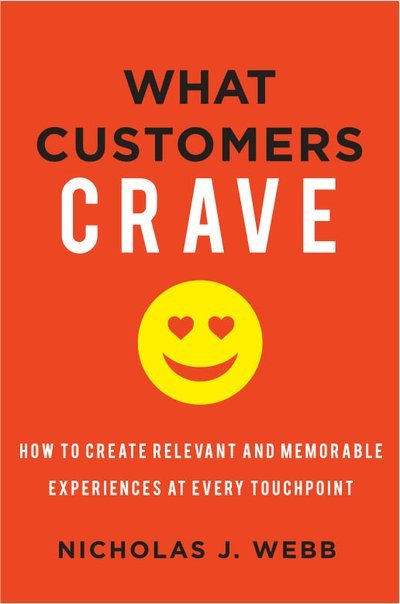
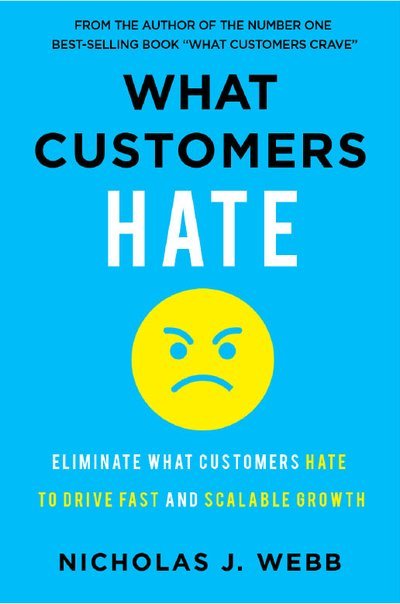
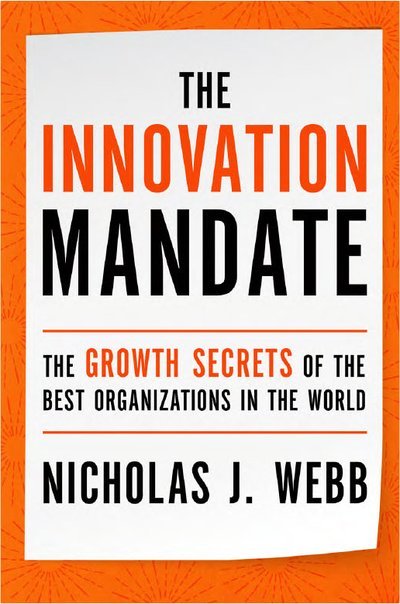
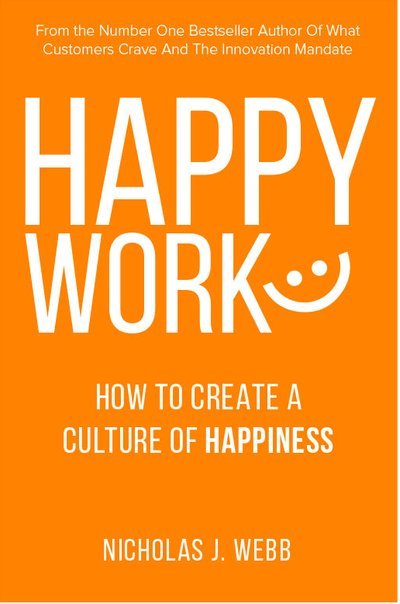
Nick is the author of bestsellers including What Customers Crave, The Innovation Mandate, What Customers Hate, Happy Work, Lucid Leadership, and Chaotic Change. He has served as a Chief Innovation Officer and an adjunct professor at a top medical school, and was awarded an honorary Doctorate of Humane Letters for his contributions to healthcare. His documentary, The Healthcare Cure, won the Audience Choice Award at the Sedona International Film Festival.

Audiences embrace his lively, high energy, and meticulously tailored presentations, which is why the world's best organizations and the meeting planners who serve them keep bringing him back.

Bring Chaotic Change to your event

A keynote on leading through disruption, innovation, and AI, built on the ideas in the book and customized to your audience.

Check availability

Make your event the one everyone remembers.

Share a few details about your event, and Nick’s team will get right back to you about availability, fit, and how he can make your audience and you look great.

Prefer to talk now? Call (530) 782-2625

Check Nick's availability

Tell us about your event and we will follow up personally.

Prefer to talk now? Call (602) 233-7107