

Meeting planners and event planners need to be very careful about who they put on stage at a high stakes event. Since the pandemic, a flood of new speakers has entered the market. Many are entrepreneurs who see speaking as a get rich product, encouraged by speaker coaches who promise that anyone can make a fortune on stage.
That wave of opportunistic speakers has confused the market. Many offer their services at a very low fee, and the price can look like a bargain. It rarely is. Here is how to protect your event, your brand, and your job.
What a true professional brings
Years of craft
More than a decade of dedicated work on large stages, refining what moves an audience.
Real thought leadership
Bestselling books and original ideas that come from real expertise, not a marketing plan.
A humanistic presentation
A keynote that informs, entertains, and genuinely moves people, without a hint of a sales pitch.
Use the five checks below to find it.
Understand why the market is crowded
The number of people calling themselves professional speakers has grown sharply in recent years. Some are talented. Many are using speaking as a business opportunity rather than a calling, often after buying coaching programs that promise quick wealth on the speaking circuit.
The result is a marketplace where polished websites and confident marketing can make an inexperienced speaker look identical to a seasoned professional. Your job is to look past the surface.
Ask the speaker
How long have you been speaking professionally, and what did you do before?
Warning sign
A speaking career that began very recently, built mostly on a coaching program.
Treat a very low fee as a warning, not a win
A low fee is tempting when budgets are tight. But a low cost keynote can become the most expensive mistake you ever make. Your audience spent a great deal of time and money to attend, and a disappointing keynote can undo much of the goodwill the rest of the event creates.
Your brand, and frankly your job, depends on selecting true professionals. The difference in fee is small compared to the cost of a room full of unhappy attendees.
Ask the speaker
How does your fee compare with speakers of similar experience, and why?
Warning sign
A fee far below the market for a speaker claiming top level credentials.
Require a decade or more of dedicated expertise
Becoming a truly great speaker takes well over a decade of dedicated work. It takes years of stages, audiences, feedback, and refinement to learn how to hold a large room, read the energy, and deliver a message that lands with a diverse audience.
Ask for a record of keynotes delivered over many years, for organizations and audiences similar to yours.
Ask the speaker
Which organizations have you keynoted for over the past ten years?
Warning sign
A client list made up of small, recent, or unverifiable events.
Look for thought leadership, not a marketing portfolio
A professional speaker's pedigree should rest on thought leadership. Look for bestselling books, original research, real world achievements, and ideas that others cite. Be cautious when the most impressive thing about a speaker is their marketing: slick videos, paid awards, and social media numbers with little substance behind them.
Ask yourself a simple question. If you removed the marketing, what would be left?
Ask the speaker
Which of your books or original ideas will shape the keynote for our audience?
Warning sign
Credibility built mainly on paid awards, purchased lists, and promotional videos.
Avoid the get rich promoters behind them
Be wary of the marketing operations that promote these speakers. Their business is selling speakers, not delivering transformational events. The result can be keynotes that sound more like aluminum siding sales pitches than professional presentations.
It is unfortunate when it happens, because audiences invest so much to attend. A true professional delivers a humanistic and beautiful presentation that moves the audience, and that is the standard your event deserves.
Ask the speaker
Will any part of the keynote promote a product, program, or paid follow up offer?
Warning sign
A keynote that ends with a pitch to buy a course, a coaching program, or a backroom offer.
Professional or opportunist?
Use this comparison when you review your finalists. A true professional will stand out clearly on every line.
| Signal | True professional | Opportunistic speaker |
|---|---|---|
| Experience | Well over a decade on large stages | A recent start, often after a coaching program |
| Foundation | Bestselling books and real world achievement | A marketing portfolio and paid recognition |
| Fee | Reflects demand and experience | Unusually low to win business quickly |
| On stage | Humanistic, insightful, and moving | Scripted, salesy, and built to sell something |
| References | Recent planners eager to book again | Few recent references, or only handpicked ones |
Protect the room you are responsible for
Your attendees trust you to put someone worthy of their time on stage. That trust is worth protecting.
Look past the price and the marketing. Choose a speaker with years of dedicated expertise, real thought leadership, and a record of moving audiences like yours. It is the surest way to make your event the one everyone remembers.
Questions planners ask
How can I tell if a keynote speaker is a true professional?
Look for well over a decade of dedicated speaking experience, bestselling books, real world achievement, a long client list, and recent references from planners who would book the speaker again.
Is a low cost keynote speaker a good way to save money?
Rarely. A disappointing keynote can undermine the entire event and your reputation. The savings are small compared to the cost of an unhappy audience.
Why are there so many new keynote speakers?
Since the pandemic, many entrepreneurs have entered speaking as a business opportunity, often encouraged by speaker coaches who promise quick wealth. Quality varies widely.
What are signs of an opportunistic speaker?
A recent start, credibility built mainly on marketing or paid recognition, an unusually low fee, few recent references, and a keynote that ends in a sales pitch.
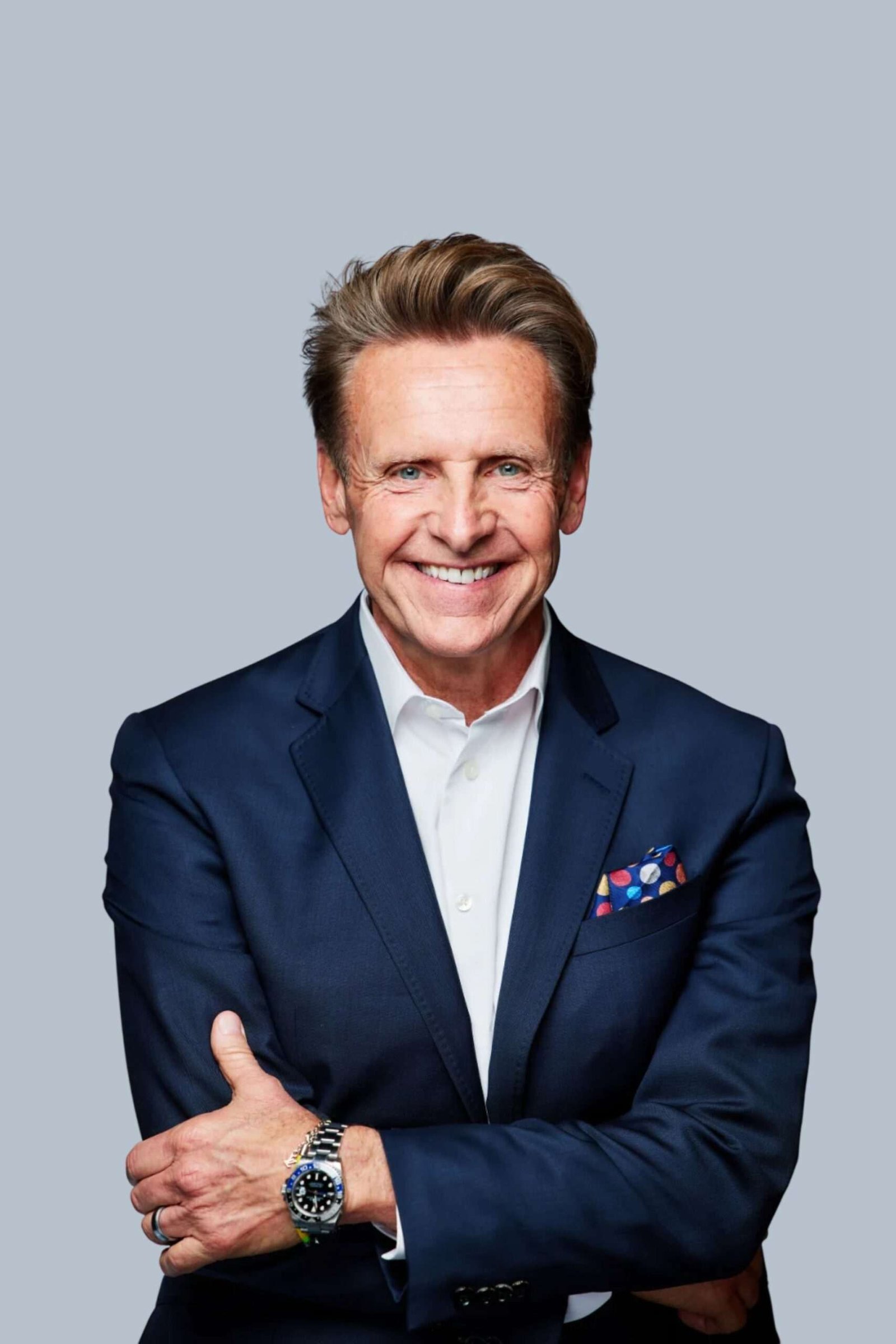
About the author
Nicholas J. Webb is an innovation and healthcare futurist, inventor, and bestselling author who has delivered keynotes to audiences around the world for three decades. His career began more than 40 years ago as a medical technologist, and he has since been awarded more than 40 US patents, most of them licensed to manufacturers. He has served as a chief innovation officer and as an adjunct professor at a medical school, produced the award winning documentary The Healthcare Cure, and written bestselling books including What Customers Crave, What Customers Hate, The Innovation Mandate, and Human Experience. He has been named to the Global Gurus Top 30 list of customer service experts nine years in a row.
Planning a healthcare meeting?
Share your date, audience, and the outcome you want. Nick's team will confirm availability and schedule a live conversation.