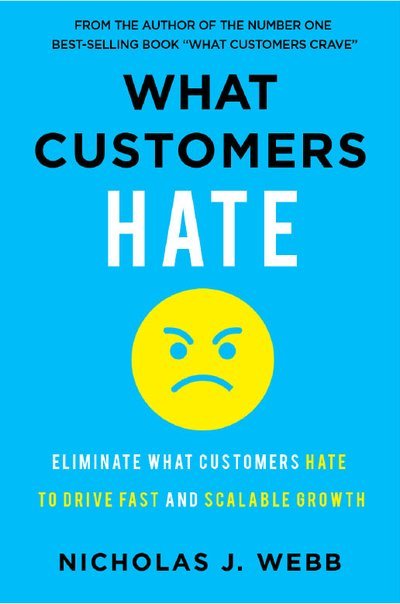
What Customers Hate by Nicholas J. Webb | Book Summary and Key Takeaways

What Customers Hate Drive Fast and Scalable Growth by Eliminating the Things That Drive Away Business

What Customers Hate shows why the fastest path to growth is removing the friction that drives customers away. Customers are always comparing you with an ideal that exists only in their imagination. Eliminate what they hate, and you instantly become the best available choice in your market.

What Customers Hate book cover by Nicholas J. Webb

The book in brief

In What Customers Hate, Nicholas J. Webb opens with an uncomfortable truth: customers often arrive expecting the worst. When they buy, they assume they are settling for second best, because every real option falls short of the perfect one they imagine.

No company enjoys complete customer love, and Webb argues that it does not need to. Hate is friction, and when friction builds up, even an excellent product stops moving. The organizations that lead their markets work deliberately to find and remove what customers hate, which makes them the most attractive choice among imperfect options.

The book explains how different customer personality types experience friction, why customer experience is an innovation activity rather than a service function, and how to drive attraction, promotion, and retention while avoiding the deflection of customers to competitors. It is written for leaders in both consumer and business to business markets.

The core framework

The book rests on a simple premise, a practical model of how different customers experience friction, and four outcomes that friction either helps or hurts.

Customers settle for second best

Every buyer compares you with a perfect option that does not exist. Your job is not perfection; it is being the least frustrating, most valuable real choice.

Hate is friction

Friction slows every sale and every renewal. Remove enough of it and you become the obvious choice, even against competitors with similar products.

Four customer personality types

Driver

Wants a fast, efficient transaction with clear information. Hates wasted time and idle chatter.

Analytical

Wants complete data and detailed facts. Hates gaps, vagueness, and pressure to decide without information.

Amiable

Wants to be liked, understood, and to belong. Hates being treated as a transaction.

Collaborator

Wants consensus and input from the group. Hates being rushed toward a decision.

Four outcomes friction controls

Attraction

Whether new customers choose you in the first place.

Promotion

Whether customers recommend you to others.

Retention

Whether customers stay and buy again.

Avoiding deflection

Whether customers drift to a competitor without saying why.

Practical guides from What Customers Hate

How do you avoid the common traps that make customers leave?

Most customers do not leave over one dramatic failure. They leave because of accumulated friction: slow responses, confusing processes, and policies that serve the company instead of the buyer. Webb's advice is to hunt for what customers hate as deliberately as you design what they love.

Assume customers are comparing you with perfection.Every interaction is judged against an imagined ideal. Small irritations carry more weight than leaders expect.

Stop focusing only on what you think customers want.Adding features rarely fixes a broken experience. Ask what customers dislike before deciding what to build.

Audit your policies from the outside.Read your terms, wait times, and handoffs as a customer would. Many of the biggest frustrations are self inflicted.

Fix the quiet exits.Customers who leave without complaining are the costliest. Track declining activity and reach out before the relationship ends.
How do you manage an upset customer?

Treat an upset customer as the most valuable feedback you will get that day. Respond quickly, listen fully, fix the problem in a way that fits that customer's personality type, and then remove the root cause so the next customer never experiences it.

Listen before you solve.Let the customer explain the whole problem. Interrupting with a fix tells them you care more about closing the ticket than about them.

Match the response to the person.A Driver wants the fix now, an Analytical wants the details, an Amiable wants empathy, and a Collaborator may need answers for a team.

Give frontline staff authority.The faster an employee can resolve the issue without escalation, the more goodwill you recover.

Close the loop internally.Every complaint points to friction somewhere in the system. Fix the cause, not just the case.

How do you reduce customer churn?

Churn falls when the reasons customers leave are removed before they reach a breaking point. Find the points of friction that precede cancellations, fix the most common ones first, and design retention into the experience rather than bolting on save offers at the end.

Study the path to the exit.Look at what former customers experienced in the months before they left. Patterns appear quickly.

Prioritize by frequency and severity.Fix the frustrations that affect the most customers and cause the most damage first.

Watch for deflection.Customers who quietly shift spending to a competitor are churning even if they never cancel.

Make staying effortless.Renewal, support, and upgrades should be the easiest interactions you offer, not the hardest.

How do you remove friction from the customer experience?

List every step a customer takes to find, buy, use, and get help with your product, then remove or simplify the steps that cost time, effort, or confidence. Webb treats this as innovation work: the goal is to redesign the experience, not to apologize for it.

Map the effort.Count clicks, calls, forms, waits, and handoffs at each stage of the journey.

Ask customers directly what they hate.Surveys focused only on satisfaction miss the irritations that matter most. Ask about frustration explicitly.

Remove before you add.Eliminating a pain point usually creates more value than launching a new feature.

Measure again.Track whether the change actually reduced effort and complaints, then move to the next source of friction.

How do you serve different customer personality types?

Webb describes four customer types, the Driver, the Analytical, the Amiable, and the Collaborator, each with different needs and different frustrations. Serving them well means recognizing the type in front of you and adjusting pace, detail, and tone to fit.

Driver.Be brief, direct, and efficient. Respect their time and get to the point.

Analytical.Provide data, specifications, and proof. Give them room to evaluate.

Amiable.Build rapport and show genuine interest. Make them feel understood and welcome.

Collaborator.Include the group, support consensus, and never rush the decision.

How do you turn customers into evangelists?

Customers become evangelists when the experience is so free of frustration, and so clearly better than the alternatives, that recommending you feels natural. Remove what they hate, deliver what they value, and give them easy ways to share their experience.

Earn trust through consistency.Evangelists are created by repeated good experiences, not one memorable moment.

Recognize your best advocates.Thank customers who refer others and involve them in improving the experience.

Make sharing easy.Reviews, referrals, and testimonials should take seconds, not effort.

Protect the relationship.One unresolved frustration can turn an evangelist into a critic. Respond to advocates with special care.

Want these ideas on your stage?

Nick delivers keynotes built on What Customers Hate, customized to your audience and industry.

Key terms from the book

Settling for second best
Webb's first law of customer experience: every customer compares you with an ideal option that exists only in their imagination.
Friction
Anything that adds effort, delay, confusion, or doubt to a customer's experience, and the source of what customers hate.
Driver
A customer who values speed and efficiency and dislikes wasted time.
Analytical
A customer who values complete information and dislikes vague answers.
Amiable and Collaborator
Customers who value personal connection, and group consensus, respectively.
Deflection
When customers quietly move their business to a competitor, often without complaint.

Key takeaways

Your customers are always settling for second best. Be the least frustrating real choice.

Hate is friction, and friction stops even great products from moving.

Remove what customers hate before adding what you think they want.

Different customer types hate different things. Adjust pace, detail, and tone to the person.

Customer experience is an innovation activity, not a service department.

Frequently asked questions

Who wrote What Customers Hate?

What Customers Hate was written by Nicholas J. Webb, keynote speaker, inventor with more than 40 US patents, CEO of LeaderLogic, and author of What Customers Crave. He has been named to the Global Gurus Top 30 list of customer service experts nine years in a row.

When was What Customers Hate published?

HarperCollins Leadership published What Customers Hate in March 2022. It is available in paperback, ebook, and as an audiobook narrated by James Foster.

What is the main idea of What Customers Hate?

Organizations grow fastest by eliminating the friction that drives customers away. Because no option is perfect, removing what customers hate makes you the best available choice in your market.

What are the four customer types in What Customers Hate?

The Driver, who wants speed and efficiency; the Analytical, who wants detailed information; the Amiable, who wants personal connection; and the Collaborator, who wants group consensus. Each one is frustrated by different things.

Should I read What Customers Crave or What Customers Hate first?

Either works. What Customers Crave lays out the full customer experience model across five touchpoints. What Customers Hate focuses on finding and removing the friction that costs you customers, and is the faster read for leaders fighting churn.

Does Nicholas Webb speak on the ideas in this book?

Yes. Nick delivers keynotes and workshops on customer experience, customer retention, and human experience design, customized to each audience and industry.

Nicholas J. Webb, keynote speaker, futurist, and bestselling author

About the Author

Nick Webb is a number one bestselling author and futurist who curates the future for audiences across industries, from innovation and technology to leadership and the future of healthcare. He is also CEO of LeaderLogic, where he advises boards of multibillion dollar companies on building future ready organizations.

His career began as a technologist creating award winning innovations in healthcare, consumer goods, and industrial technology, work that earned him more than 40 US patents. Today he operates an AI Lab with new patents in continuous patient monitoring and the analysis of mood states using artificial intelligence.

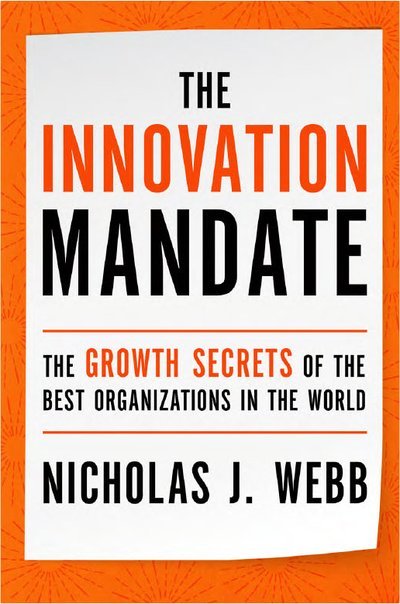
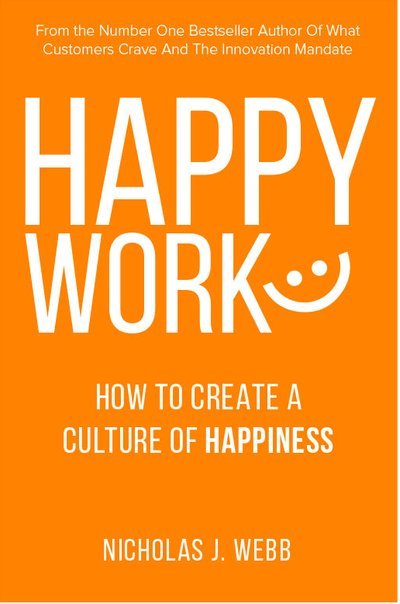
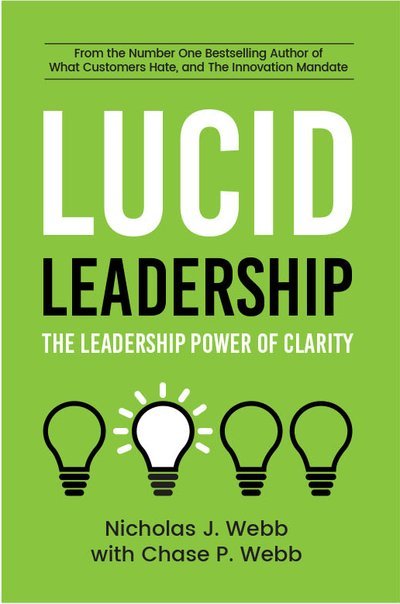
Nick is the author of bestsellers including What Customers Crave, The Innovation Mandate, What Customers Hate, Happy Work, Lucid Leadership, and Chaotic Change. He has served as a Chief Innovation Officer and an adjunct professor at a top medical school, and was awarded an honorary Doctorate of Humane Letters for his contributions to healthcare. His documentary, The Healthcare Cure, won the Audience Choice Award at the Sedona International Film Festival.

Audiences embrace his lively, high energy, and meticulously tailored presentations, which is why the world's best organizations and the meeting planners who serve them keep bringing him back.

Bring What Customers Hate to your event

A customer experience keynote on removing the friction that drives business away, customized to your audience and industry.

Check availability

Make your event the one everyone remembers.

Share a few details about your event, and Nick’s team will get right back to you about availability, fit, and how he can make your audience and you look great.

Prefer to talk now? Call (530) 782-2625

Check Nick's availability

Tell us about your event and we will follow up personally.

Prefer to talk now? Call (602) 233-7107